

Sciatica Physical Therapy
The first line of treatment for sciatica is often physical therapy, which has been shown to be effective in alleviating pain while reducing costs for both the individual and the healthcare system. Your physical therapist will help determine a directional preference for your condition, as most spinal pain responds differently to certain movements—some that relieve symptoms and others that may aggravate them.
Our evidence-based rehabilitation approach uses exercise to reduce pain and improve posture and range of motion.
What is sciatica?
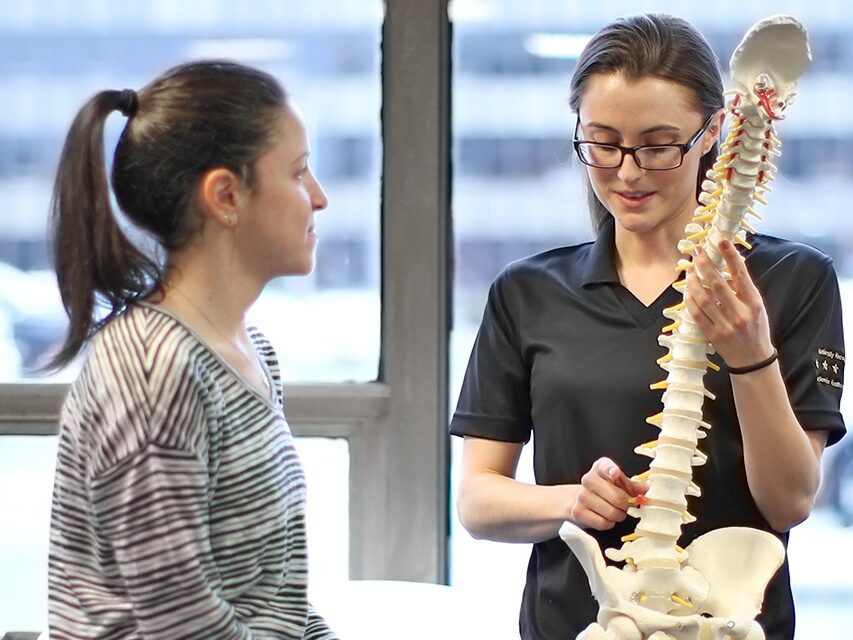
In more severe cases of low back pain, sciatica (or radiculopathy) may occur. Sciatica is experienced when a spinal nerve root in the low back becomes irritated and inflamed; usually, as a result of mechanical compression from an injured disc, bone spur inflamed SI joint, or spinal stenosis. More serious causes of sciatica include fractures, tumors, and dislocations which require immediate medical workup.
What Are the Symptoms of Sciatica Pain?
The sensation of pain, numbness, or paresthesia will usually radiate from your back, through the buttocks, and down the back of the leg to the calf or foot. Pain can also involve the hip and pelvis and may worsen with certain movements or positions. Some individuals experience only leg symptoms, without back pain, which can make diagnosing the source more difficult.
These symptoms typically follow the path of the irritated nerve, and identifying their exact location can help your doctor or physical therapist determine the level involved. In severe cases, nerve compression may interrupt motor function, leading to weakness such as foot drop or leg instability. Motor weakness is serious, as prolonged compression can lead to permanent nerve injury. Individuals experiencing these symptoms should seek immediate medical evaluation.
Symptoms of sciatica include:
- Nerve pain, numbness, or paresthesia that travels down the back of the leg to the calf or foot due to pressure on the sciatic nerve, sometimes with soft tissue irritation or spasm.
- Symptoms that may or may not be associated with lower back pain.
How Can Physical Therapy With Pain Relief Help?
The first line of treatment for sciatica is often physical therapy, which has been shown to be effective in alleviating pain while reducing costs for both the individual and the healthcare system. Your physical therapist will help determine a directional preference for your condition, as most spinal pain responds differently to certain movements—some that relieve symptoms and others that may aggravate them.
Your PT may use manual therapy to mobilize the spine and surrounding soft tissues, including massage when appropriate. With spinal stenosis, walking often produces pain, while sitting may provide relief. Lumbar disc bulges or herniations (including herniated discs) are often irritated by sitting but may improve with walking. Identifying provocative movements can help you avoid further irritation of the inflamed nerve and support a quicker recovery.
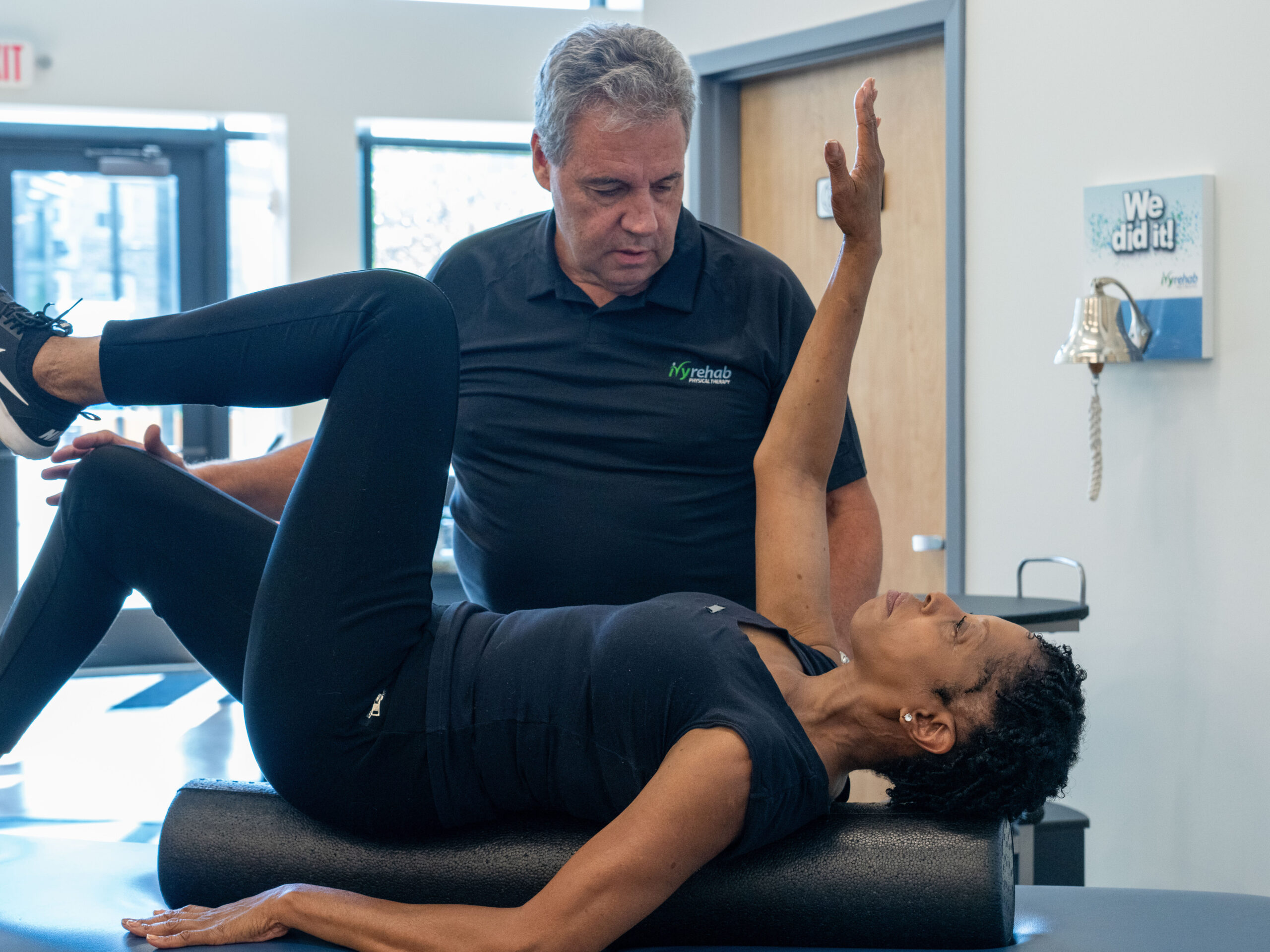
Treatment often includes stretching and strengthening exercises—such as stretches held for at least 30 seconds—to relieve symptoms and build muscle strength. For those who do not respond to physical therapy, anti-inflammatory medication, or an epidural steroid injection may help alleviate pain. Very few individuals require surgery, and while it cannot always be avoided, most people recover with time. If the underlying cause involves piriformis syndrome, your plan may include targeted hip stretching and strengthening exercises.
Contact a clinic near you to find out how physical therapy may be able to help your sciatica pain.
FAQs
Can posture, hip, or pelvic issues cause sciatica pain?
Yes. Posture, hip mechanics, and the pelvis can contribute to irritation and may cause pain with certain movements. Treatment may include hip stretch and targeted exercise to improve mobility and comfort.
How can physical therapy help reduce sciatica pain?
Physical therapy can reduce pain with evidence-based treatment that may include manual therapy to mobilize the spine and soft tissues, along with exercise to improve posture and range of motion.
What exercises help sciatica symptoms?
Many plans include stretching and strengthening exercises to relieve symptoms and build muscle strength. Your therapist may recommend specific stretching exercises that you hold for at least 30 seconds, based on your symptoms and tolerance.
What is the underlying cause of sciatica?
Sciatica can occur when pressure on the sciatic nerve is triggered by a spine issue such as a herniated disc, lumbar spinal stenosis (narrowing), or sacroiliac (SI) joint irritation. In some cases, the underlying cause may involve piriformis syndrome, a condition related to the piriformis muscle.
When should I seek medical care for severe sciatica symptoms?
If symptoms are severe or include significant weakness, you should seek medical evaluation promptly to rule out more serious medical conditions and ensure appropriate care.

Start living your best life.
Begin your journey close to home.
