
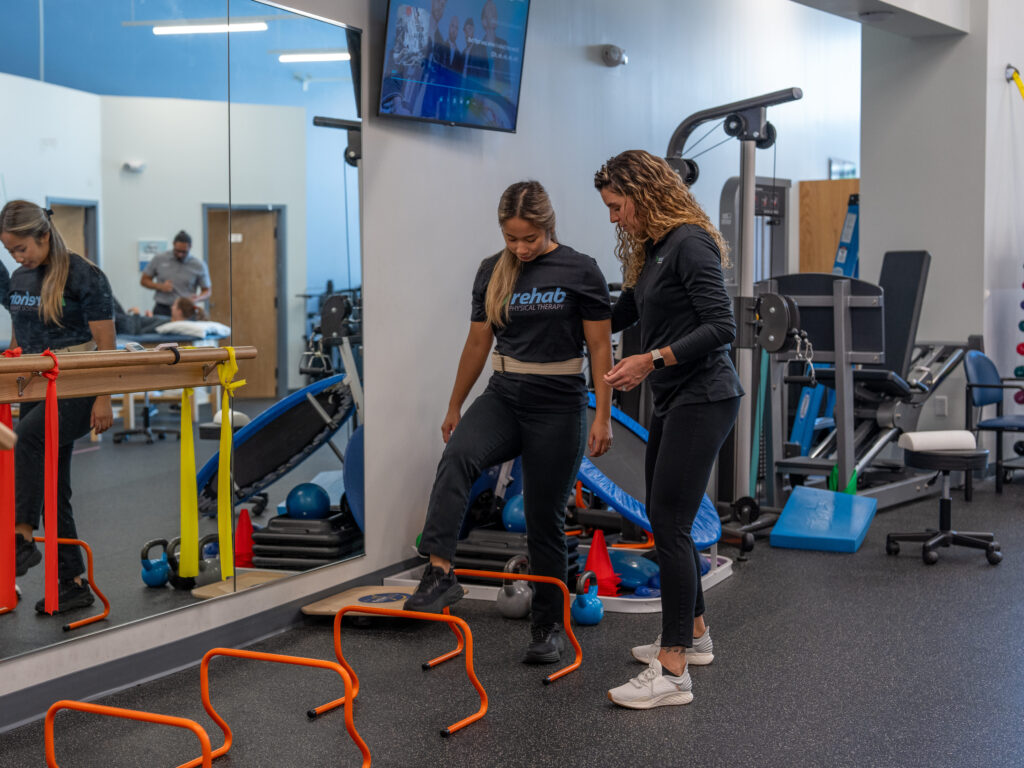
Neurological Disorders
Neurological disorders and injuries can affect each patient differently. Our therapists will conduct a full evaluation to determine problem areas, discuss your goals, and develop a treatment program to target your specific needs.
What is a nervous system injury?
Diseases and injuries affecting the nervous system can have wide-ranging effects across the body, impacting a person’s ability to function. Simple tasks can become difficult, and independence may be lost. The nervous system controls muscle activity, joint movement, balance, and coordination.
With the right therapy, it’s possible to improve function, relieve pain, enhance balance, and support safer, more confident movement. Receiving a diagnosis of a neurological condition—or experiencing something like a stroke or spinal cord injury—can feel overwhelming. But you don’t have to navigate it alone.
Our experienced team of physical therapists is here to support you through every stage of recovery and help you adapt with confidence.
Conditions Include:
- Alzheimer’s
- Stroke (CVA) – Cerebrovascular Accident
- Brain Tumor
- Traumatic Brain Injury (TBI)
- Pediatric Diagnoses (cerebral palsy, genetic conditions, shaken baby syndrome)
- Multiple Sclerosis
- Muscular Dystrophy
- Huntington’s Disease
- Spinal Cord Injury
- Parkinson’s Disease

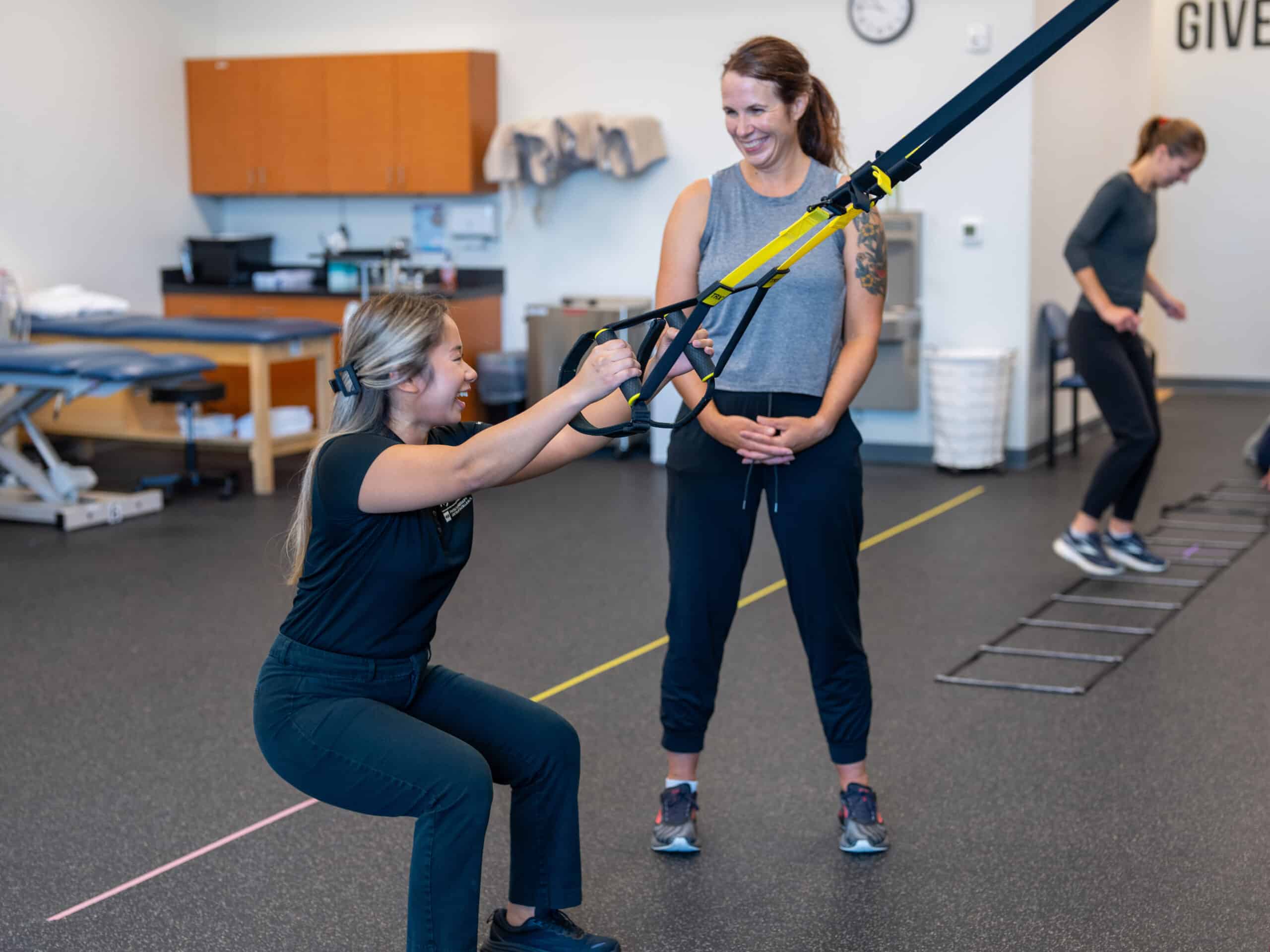
Treatments for neurological disorders.
Neurological disorders and injuries can affect each patient differently. Our therapists will conduct a full evaluation to determine problem areas, discuss your goals, and develop a treatment program to target your specific needs.
- Balance Training: Exercises to improve stability, reduce fall risk, and help you move more safely at home and in the community.
- Gait (Walking) Training: Activities that focus on step quality, coordination, posture, and the use of assistive devices when needed.
- Strength and Flexibility: Targeted strengthening and stretching to support joints, improve muscle performance, and assist with mobility and transfers.
- Range of Motion: Techniques to maintain or restore movement in affected joints, helping reduce stiffness and improve comfort.
- Transfer Training: Practice safe methods of moving from one surface to another—such as from bed to chair or from sit to stand—to increase independence.
Benefits of physical therapy.
- Increased safety in home and community environments
- Increased strength, range of motion, flexibility, endurance
- Decreased pain/symptoms
- Cognitive and psychological benefits
- Increased gait mechanics
- Increased level of functional activities

What to Expect at Ivy Rehab
At Ivy Rehab, every clinic’s story begins and ends with you. From your first visit, you can expect highly qualified clinicians, state-of-the-art equipment, and a welcoming, patient-centered environment dedicated to your progress.
Our neurologic physical therapists combine advanced clinical training with compassionate care to help you navigate the ups and downs of recovery or adapt to a “new normal.” We focus on measurable outcomes and meaningful goals so you can return to the activities that matter most to you.
FAQs
Do I need a physician referral to start neurologic physical therapy at Ivy Rehab?
In many states, you can see a physical therapist without a physician’s referral for an initial evaluation and treatment—a concept known as direct access. However, some insurance plans, corporate policies, or state regulations may still require a referral or limit treatment duration without one.
Because requirements can vary, the best next step is to contact your nearest Ivy Rehab clinic. Our team can verify your benefits, explain any referral requirements, and help you schedule your first appointment so you can get started with neurologic physical therapy as soon as possible.
How is neurologic physical therapy different from regular physical therapy?
Neurologic physical therapy is a specialty focused on conditions caused by diseases or injuries of the nervous system, rather than primarily orthopedic or sports-related issues. Neurologic physical therapists receive advanced training in how the brain, spinal cord, and nerves affect movement, gait, and balance, cognition, and activities of daily living.
Because of this specialized training, they are skilled at treating symptoms such as weakness, loss of sensation, changes in muscle tone, instability, and coordination problems that may not respond to standard exercise programs alone. They use techniques that promote neuroplasticity and help retrain the nervous system for more efficient, safer movement.
How long will I need neurologic physical therapy?
The length of neurologic physical therapy varies for each person and depends on factors such as your diagnosis, whether your condition is acute or chronic, the severity of your symptoms and impairments, and your individual goals. Some patients attend therapy for a shorter period to address a specific neurologic event, while others benefit from longer-term or intermittent care to manage progressive conditions.
What happens during a typical neurologic PT session?
A typical neurologic physical therapy session often begins with a brief check-in on your symptoms, daily activities, and how you responded to the previous visit and home exercises. Your therapist will then guide you through a combination of hands-on treatments, balance and gait activities, strengthening and flexibility exercises, and neuromuscular re-education tailored to your abilities that day.
You may also practice specific activities of daily living, such as transfers or stair climbing, and review strategies to improve safety at home. At the end of each session, your therapist may update your home exercise program so you can continue making progress between visits.

Find the right therapy today.
Discover how Ivy Rehab can help you achieve your therapy goals.
