

Arthritis Therapy
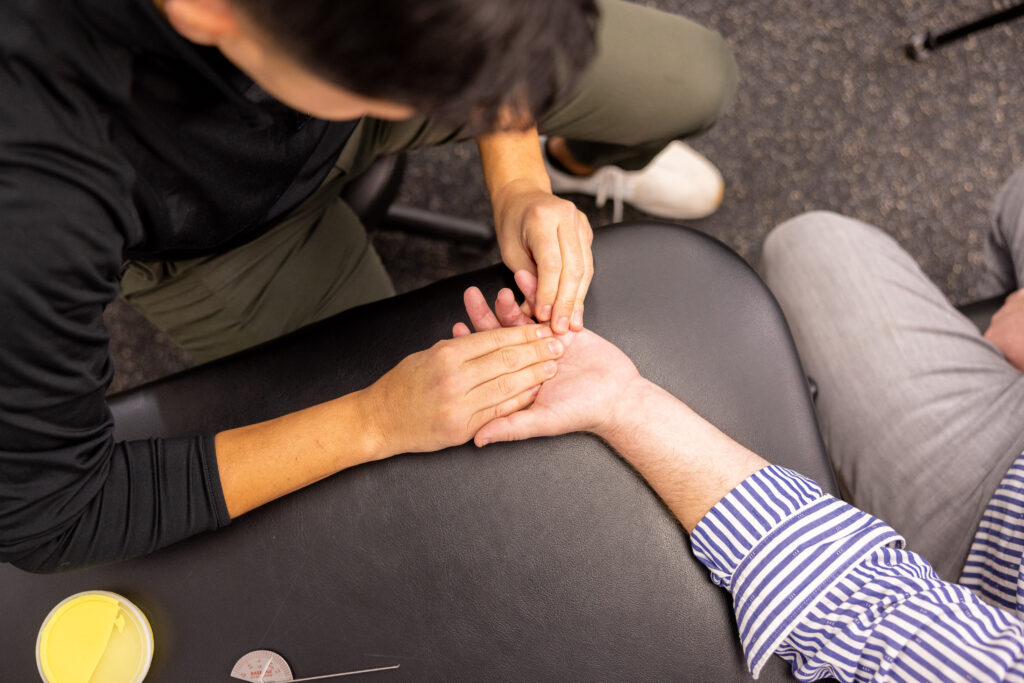
Arthritis symptoms can affect your daily life, making simple tasks like walking, climbing stairs, or gripping objects more difficult. Physical therapy is a conservative, non-invasive, and effective arthritis treatment that helps restore comfort and mobility in the joints most affected, like the hips, knees, shoulders, and hands.
Understanding the Causes of Arthritis and How Therapy Helps
- Osteoarthritis (OA): Often caused by long-term cartilage wear, leading to pain and stiffness in weight-bearing joints.
- Rheumatoid arthritis (RA): An autoimmune condition where the immune system mistakenly attacks healthy joint tissue, causing inflammation and discomfort.
Physical therapy targets these symptoms through customized exercises, manual therapy, and patient education, all designed to reduce pain and improve joint function.
What to Expect During Arthritis Therapy
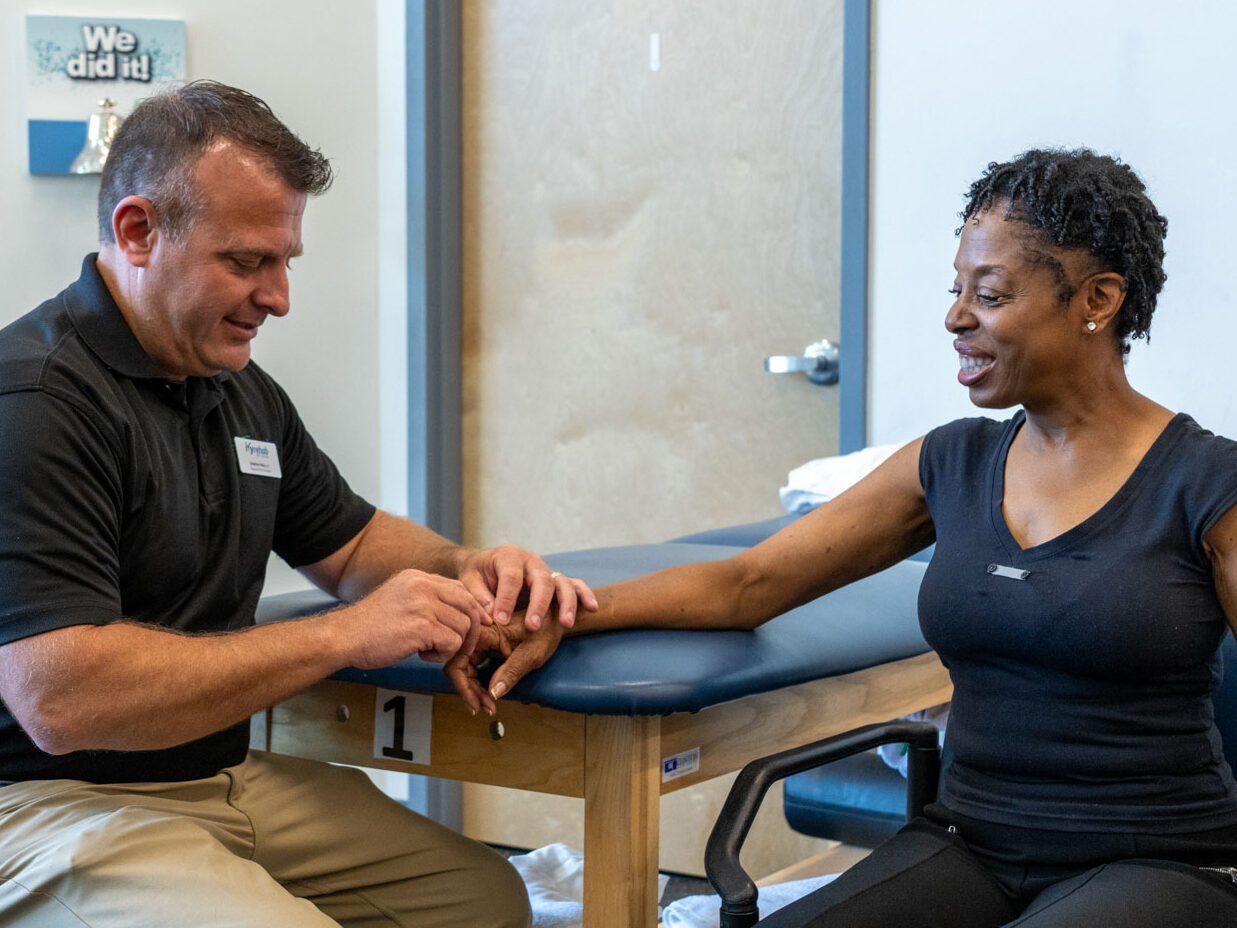
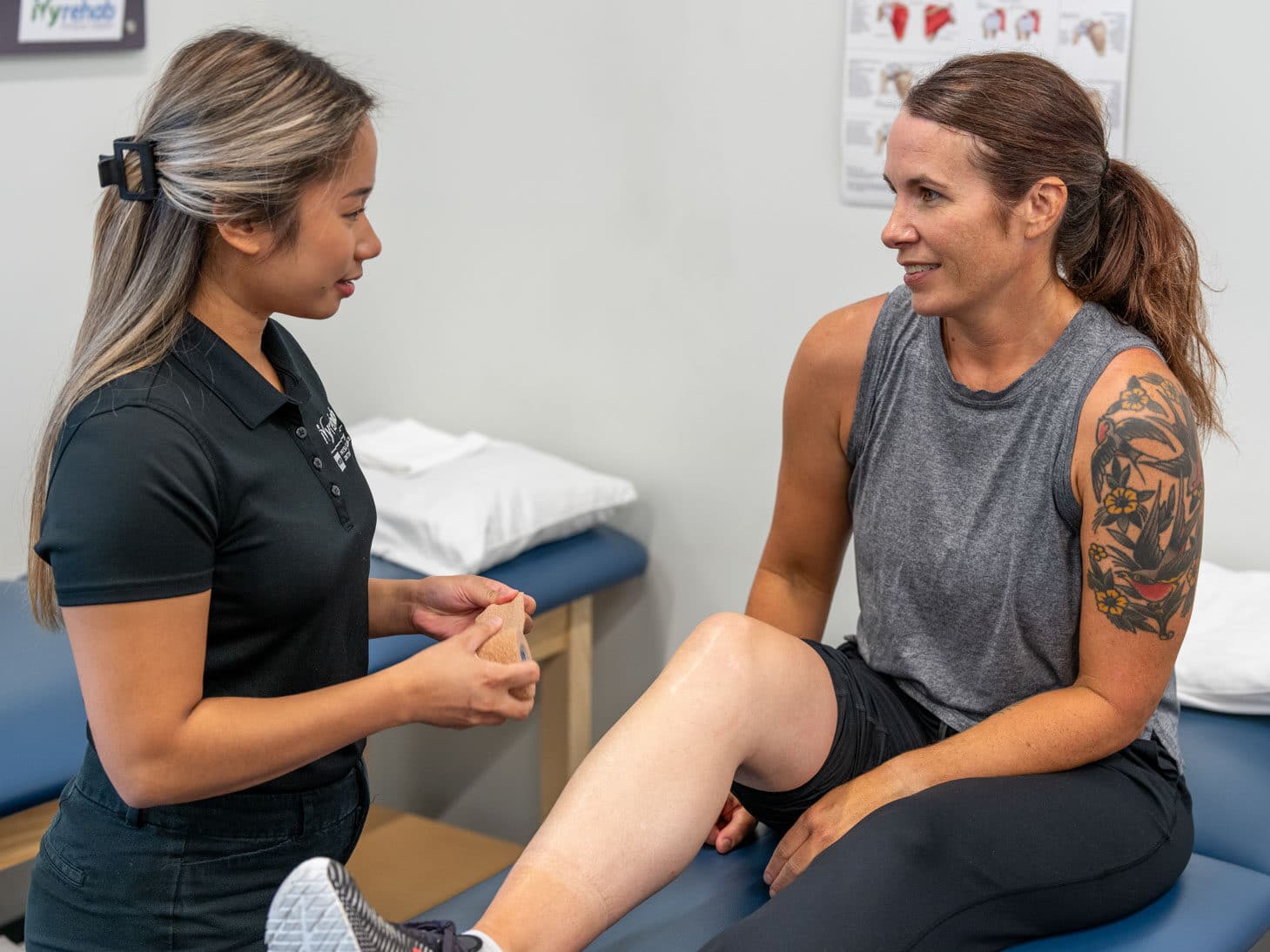
At Ivy Rehab, treatment begins with a personalized evaluation, where your physical therapist will assess:
- Your symptoms and pain levels
- Joint range of motion
- Muscle strength and flexibility
- Daily activity needs and personal goals
Your treatment may include:
- Stretching and strengthening exercises
- Low-impact aerobic conditioning
- Joint mobilization and manual therapy
- Balance and stability training
- Pain management strategies
- A custom home exercise program
We’ll work with you every step of the way, monitoring your progress and adjusting your plan to help you achieve the best possible outcome.
How can arthritis therapy improve symptoms?
Arthritis can affect the articulating joints of the body – such as the hips, knees, shoulders, and hands – and may also impact the spine, known as degenerative disc disease (DDD). The goal of physical therapy is to regain range of motion, flexibility, strength, and endurance to support independence in daily activities.
This is accomplished through:
Flexibility
These exercises help improve overall joint mobility and muscle flexibility.
Strength
In addition to increasing flexibility, muscle strength is important to provide stability to the affected joint. Not only is muscle used to move joints, but it also acts as a “shock absorber.”
Endurance
Muscle endurance is another important factor. Endurance is the muscle’s ability to perform an activity over an extended period of time. Strength usually diminishes due to a lack of endurance. With increased endurance, strength is preserved. As a result, an individual can tolerate daily activities for an extended period of time.
These improvements support daily independence and help delay the need for more invasive interventions.
What types of arthritis can benefit from therapy?
Physical therapy can help manage symptoms and improve function for many types of arthritis, including:
- Osteoarthritis (OA)
- Rheumatoid arthritis (RA)
- Inflammatory arthritis
- Psoriatic arthritis
- Hip arthritis
- Septic arthritis
- Degenerative arthritis
- Post traumatic arthritis
While medications can provide relief, physical therapy offers a natural, movement-based approach to managing arthritis and improving quality of life.
Supporting Lifestyle Changes Through Therapy
Managing arthritis doesn’t stop when you leave your session. Our therapists also guide you in:
- Ergonomic adjustments for work and home
- Safe movement strategies for everyday tasks
- Assistive device use (braces, canes, etc.)
- Joint protection techniques for long-term relief
These tools help reduce strain and make daily life more manageable — without relying on surgery or medication alone.
FAQs
Does insurance cover arthritis therapy?
In many cases, yes. Most insurance plans, including Medicare, cover physical therapy when it’s medically necessary. Our team can help you check your benefits.
How often should you do physical therapy for arthritis?
The frequency of physical therapy depends on your specific condition and goals. Most patients benefit from 2–3 sessions per week initially, with a focus on building strength, flexibility, and mobility. Your therapist will tailor a schedule that matches your progress and long-term needs.
Is it safe to exercise with arthritis?
Yes, when guided by a licensed physical therapist. Targeted exercise improves joint function and reduces pain over time, without adding stress to inflamed joints.
When should someone consider arthritis therapy?
Anyone experiencing joint pain, stiffness, or reduced mobility due to arthritis should consider therapy—especially before symptoms begin to severely impact daily life.

Find the right therapy today.
Discover how Ivy Rehab can help you achieve your therapy goals.
