

Low Vision Rehabilitation Therapy
Our Low Vision Rehabilitation services aim to help individuals remain independent and safe while performing day-to-day activities in their own homes, despite their vision condition. Our goal is to enhance quality of life by maximizing remaining vision and independence.
What is Low Vision Rehabilitation?
The goal of low vision rehabilitation is to help individuals with vision loss that cannot be corrected—regardless of the cause—live productive and satisfying lives as independently and safely as possible. Occupational therapists work with patients experiencing a variety of vision conditions that impact daily function.
A thorough evaluation helps assess functional needs and guide treatment strategies for everyday tasks.
These eye diseases/conditions may include but are not limited to:
- Glaucoma
- Macular degeneration
- Retinitis pigmentosa
- Diabetic retinopathy
- Other conditions where vision loss cannot be resolved with surgery or lenses
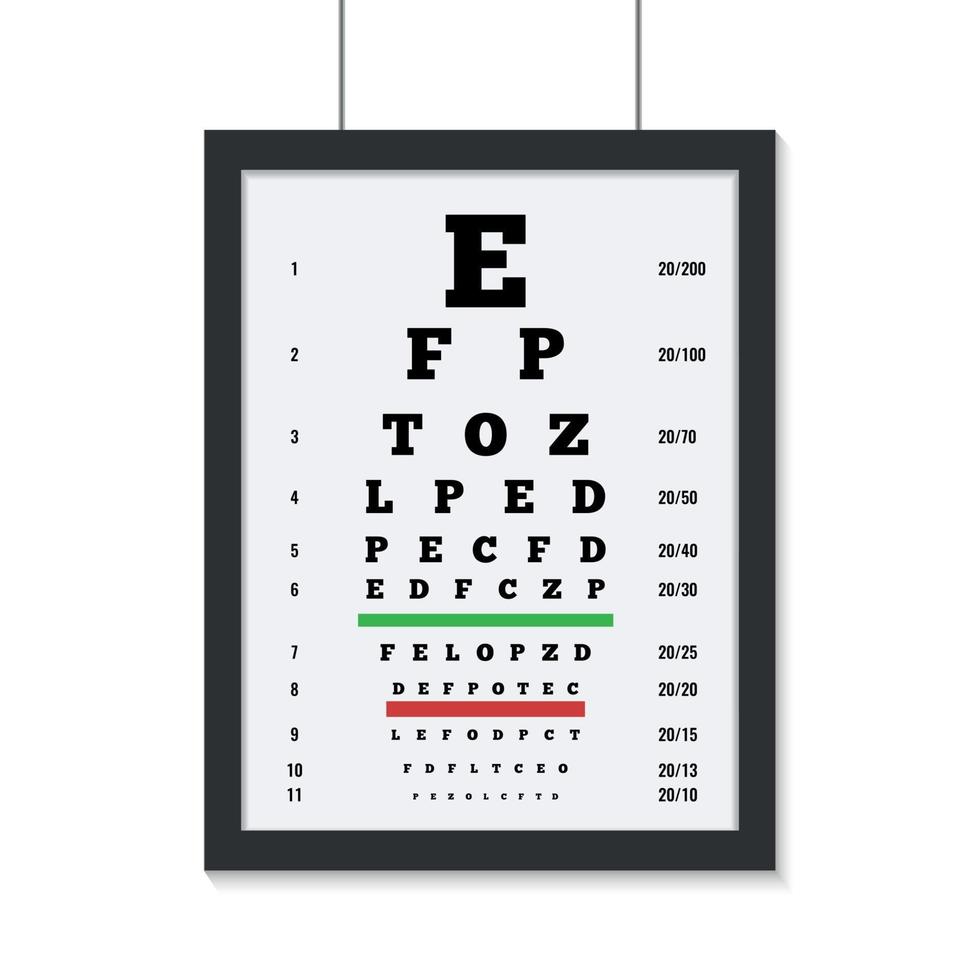

How can Low Vision Rehabilitation Help?
Our Low Vision Rehabilitation services aim to help individuals stay independent and safe while performing day-to-day activities in their own homes, despite their vision condition. We may recommend lighting adjustments, contrast strategies, and assistive devices to support safe mobility during daily tasks.
Home assessments can also be conducted to provide recommendations for low- or high-tech modifications that improve ease of living and safety. We provide feedback during your visit and can coordinate referrals when needed.
Some key areas affected by low vision conditions include, but are not limited to:
- Navigating obstacles in your environment
- Reading
- Maintaining engagement in hobbies, such as knitting
- Organizing medications
- Using a computer or television to communicate
How Low Vision Occupational Therapy Works
Ivy Rehab Network occupational therapists can work with your low vision team to ensure you have the correct lenses (glasses or contact lenses) and magnifiers (including a telescope when appropriate) for your eyesight, and help you learn the most effective way to use them in daily life. Low vision occupational therapy can also complement physical therapy if visual impairment is contributing to balance issues, difficulty seeing curb cuts and stairs, or neck pain from poor posture.
Occupational therapists can also help address visual deficits that may arise following a neurologic event such as a concussion, brain injury, or stroke. These conditions may lead to oculomotor deficits, double vision, or visual field loss, which can be evaluated and treated through specialized care.
Treatment can help individuals with decreased vision regain functional sight and restore confidence. We also address visual-perceptual, depth-perception, and spatial-awareness challenges that may develop secondary to neurologic injury during low vision therapy.
Contact us today to see how an Ivy Rehab Network low vision occupational therapist may be able to help you through your vision impairment rehab as a patient at one of our clinics!

FAQs
Can low-vision therapy help if my vision cannot be corrected with surgery, glasses, or contact lenses?
Yes. Low-vision rehabilitation is designed for people whose vision cannot be corrected with surgical options, glasses, or contact lenses. The focus is on maximizing remaining vision and enhancing quality of life.
Do I need a referral for low-vision rehabilitation therapy?
It depends on your situation and insurance requirements. Some people can start without a referral, while others may need one—your clinic can confirm what’s needed when you schedule an appointment.
How does OT help with mobility and day-to-day tasks at home?
OT can help restore safe mobility by teaching techniques to navigate obstacles and complete everyday tasks more safely. Home recommendations may include lighting, contrast adjustments, and other modifications to improve independence.
What devices are used in low-vision rehabilitation?
Depending on your needs, your OT may recommend an assistive device such as magnifiers or a telescope, along with lighting and contrast strategies to support reading, home activities, and other functional tasks.
What happens during a low-vision evaluation and treatment visit?
A visit typically includes a thorough evaluation to assess your functional needs and daily task challenges. Your OT will provide feedback and recommend a treatment plan with techniques to improve safety and independence.
Find the right therapy today.
Discover how Ivy Rehab can help you achieve your therapy goals.
