
When you notice unusual movement, stiffness, shakiness, or behaviors in your child, it’s completely normal to feel worried and unsure about what it means. Many pediatric movement disorders are rare, and parents often don’t know what to look for or when it’s time to get help. The good news is that many of these conditions can be managed effectively, especially when caught early.
This guide is designed to help families understand early signs, possible causes, and common types of movement disorders, and to know when to seek medical support. Ivy Rehab for Kids provides compassionate, expert care to help your child gain control of their movements and thrive in their daily life.
What Is a Pediatric Movement Disorder?
A pediatric movement disorder refers to any condition that affects the quality, control, fluidity, or ease of a child’s movements. These conditions may involve involuntary or abnormal movements, difficulty coordinating the arms or legs, stiffness, slowness, or repetitive motions. These types of developmental disabilities in children can exist independently or as a symptom of another condition.
They are often categorized into:
- Hyperkinetic disorders: too much movement (e.g., tics, tremors, chorea, dystonia)
- Hypokinetic disorders: too little or slowed movement (e.g., rigidity, bradykinesia, Parkinsonism)
These conditions can affect posture, walking, balance, muscle tone, or fine motor control. No matter the type, early diagnosis and intervention through a specialized movement disorders program or movement disorders clinic can greatly improve a child’s long-term development.
Early Signs of Movement Disorders
In this pediatric neurology field, there are a few different movement disorders that present signs and symptoms. Common signs and symptoms of pediatric movement disorders include:
Behavioral and Movement Concerns
- Frequent tripping, clumsiness, or unsteady walking
- Difficulty keeping balance compared to other children their age
- Stiffness that doesn’t match emotion or behavior
- Repetitive or jerky motions that seem involuntary
- Shaking or trembling in hands or legs (possible early tremor)
- Movements that happen repeatedly and unexpectedly (possible early tic disorders)
- Trouble starting or coordinating movements
- Sudden “freezing” or slowness during everyday tasks
Functional or Developmental Concerns
- Delayed milestones (sitting, crawling, walking, grasping)
- Difficulty with tasks requiring coordination (feeding, dressing, writing)
- Visible fatigue with physical tasks
- Abnormal body postures or twisting patterns
If these signs occur consistently and interfere with daily activities, it may be worthwhile to seek a specialist evaluation.
Types of Pediatric Movement Disorders
Each movement disorder manifests in different ways. If you think your child is exhibiting signs of a movement disorder, it’s important to identify which type so they can receive targeted treatment.
1. Cerebral Palsy
Cerebral palsy is a group of pediatric conditions affecting movement and posture, caused by early brain injury or abnormal development. Children with CP may show spasticity, ataxia, slowed movement, or difficulty coordinating their muscles. Treatment may include physical and occupational therapy, medications, orthotics, or surgical procedures such as Selective Dorsal Rhizotomy.
2. Spasticity
Spasticity results from damage to the motor nerves in the brain that communicate with the muscles in the body. This common movement disorder refers to the tightening of muscles or a constant contraction that makes it difficult to stretch those muscles. Some also refer to it as high muscle tone. Types include hemiplegia, diplegia, or quadriplegia, depending on the area affected.
3. Ataxia
Another disorder that results in unusual movements is Ataxia. Ataxia is a lack of motor coordination caused by injury to the cerebellum. This pediatric neurology disorder describes clumsy, uncoordinated, irregular movements that make balance and smooth, fluid movements difficult.
4. Dystonia
When dystonia is present, muscles will contract in opposition, causing uncomfortable twisting movements. Dystonia may be inherited (genetic), acquired, or idiopathic. Acquired dystonia typically results from injury to the brain, such as, traumatic brain injury or stroke.
5. Chorea
Chorea itself is not a diagnosis, but typically a symptom of a neurological condition. It describes irregular, flowing, unpredictable movements through the extremities. It is present when the basal ganglia, an area of the brain responsible for controlling movement, is damaged.
6. Tremors
A tremor is a shaking or trembling of a limb. It can be a symptom of neurologic injury, genetic condition, functional movement disorder, or even a side effect of medication. Sometimes tremors can be hereditary. The most common type of inherited tremor is the essential tremor. The cause is unknown, but it’s most commonly present in the hand, affecting writing and tying shoelaces in children.
7. Tics
Tics are sudden, involuntary movements or sounds. Motor tics can occur in any part of the body and can range in severity. A tic disorder can change over time and worsen if a child is ill, tired, or stressed. Additionally, it can worsen in the early teenage years but often improve by early adulthood. Tourette syndrome is one of the tic disorders, characterized by chronic motor and vocal tics.
What causes child movement disorders?
To better understand childhood hyperkinetic movement disorders, it’s important to know what they result from. There is a wide range of causes for movement disorders in childhood, which can be linked to:
1. Neurological Causes
Neurological causes involve conditions that affect the brain, spinal cord, or neural pathways and can lead to changes in motor control or coordination. Examples include cerebral palsy, epilepsy, stroke, brain malformations, traumatic brain injury, or damage occurring in utero. Early therapy helps children improve mobility and function even when the underlying injury cannot be reversed.
2. Genetic Causes
Genetic causes occur when inherited or spontaneous gene mutations disrupt the systems that control movement. Conditions such as Wilson disease, Juvenile Huntington’s disease, or genetic ataxias can be lifelong, but targeted pediatric interventions help improve independence and daily functional abilities.
3. Metabolic Causes
Metabolic causes result from problems with how the body processes nutrients or chemicals, which may interfere with normal muscle and nerve function. Disorders like metabolic syndrome or mitochondrial disorders can sometimes be treated directly, and stabilizing the underlying issue often reduces movement-related symptoms.
4. Injury-Related Causes
Injury-related causes stem from events that damage the nervous system, such as traumatic brain injury, lack of oxygen at birth, or central nervous system infections. In these cases, treatment focuses on restoring motor control, rebuilding strength, and promoting safe and effective movement patterns.
5. Medication-Related Causes
Certain medications may trigger involuntary movements, tremors, or tics as side effects. Adjusting or changing the medication under a physician’s guidance typically leads to improvement or full resolution of symptoms.
When to Seek Help
Consider seeking a professional evaluation if your child:
- Shows persistent or worsening abnormal movements
- Is missing developmental motor milestones
- Has involuntary movements that disrupt daily activities
- Develops new or sudden movements (tics, tremors, jerks)
- Experiences coordination difficulties or frequent falls
- Has trouble feeding, writing, or performing school tasks
- Seems to regress in movement or independence
Early evaluation from a pediatric movement disorders program helps ensure accurate diagnosis and timely treatment.
Treatment Options for Pediatric Movement Disorders
A comprehensive approach tailored to the child’s needs often provides the best outcomes. Treatment may include:
- Rehabilitation physical therapy: Improves strength, balance, mobility, gait, and daily functional skills
- Occupational therapy: Supports fine motor skills, coordination, and independence in daily tasks
- Behavioral interventions: Such as Comprehensive Behavioral Intervention for Tics (CBIT).
- Medications: For managing spasticity, tremors, or dystonia
- Deep brain stimulation: In rare, severe movement disorders unresponsive to other treatments
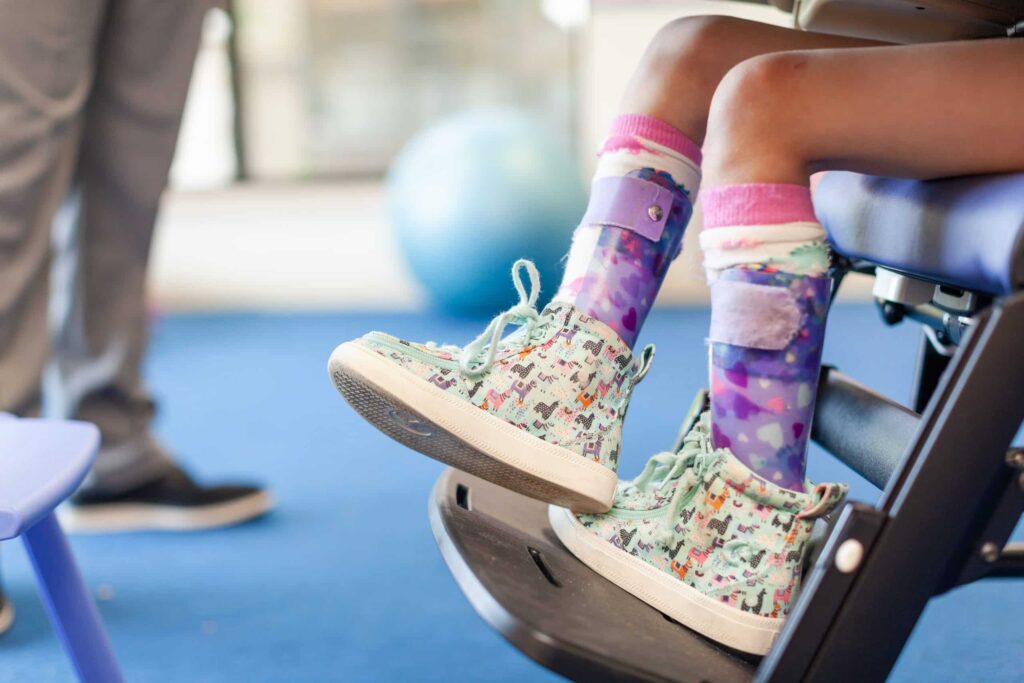
- Adaptive equipment & orthotics: Helps support posture, alignment, and safety
- Family education & training: Ensures caregivers understand how to support everyday movement
Ivy Rehab for Kids Can Help!
If you’ve noticed unusual movements, stiffness, shaking, or concerns about your child’s motor skills, Ivy Rehab for Kids is here to support you. Our pediatric physical therapists and occupational therapists provide comprehensive evaluations and personalized treatment plans.
We help patients improve strength, coordination, balance, and independence using evidence-based pediatric programs. Whether your concern is a specific condition like cerebral palsy, ataxia, dystonia, or tic-related behaviors, or you simply feel something is off, our team can guide you every step of the way. Visit our website to find a location near you or to request an appointment online.

Before you go
Find the right therapy today.
Discover how Ivy Rehab can help you get back to doing what you love.