

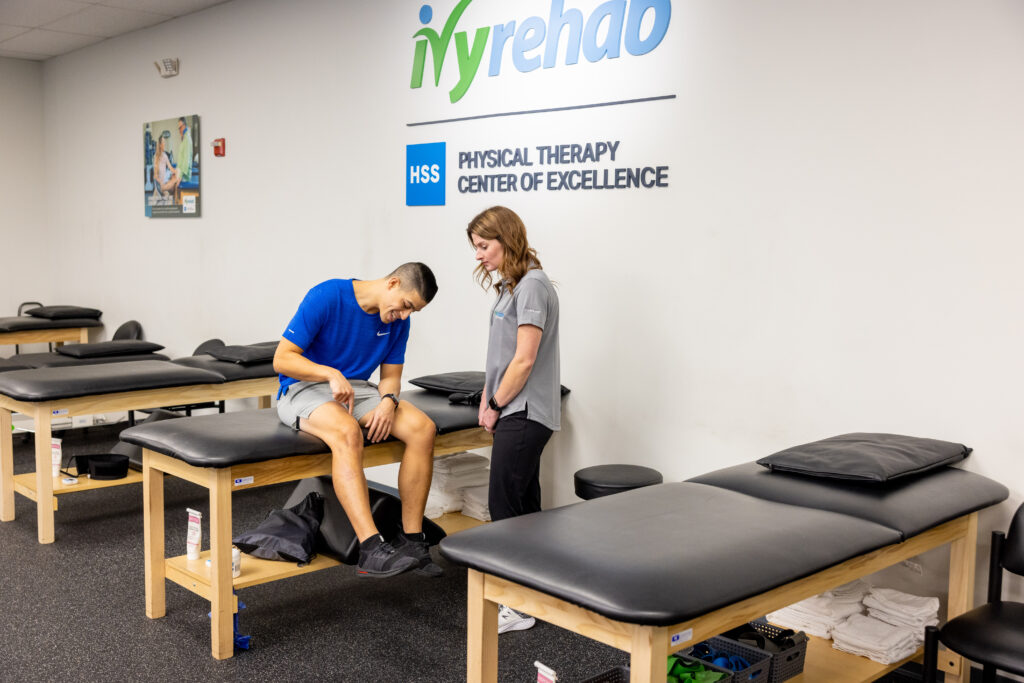
Knee Pain
Your knees carry you through every step of life. But when they hurt, everything from walking to getting in and out of a car can feel harder than it should. Whether your pain started suddenly or has been building for years, Ivy is here to help you get moving again with less pain and more confidence, and personalized physical therapy treatment that makes daily movement easier.
Why does my knee hurt?
Knee pain can be caused by a wide range of conditions – and it isn’t always the result of an injury. Overuse, muscle weakness, age-related wear and tear, or even how you walk can put extra strain on your knees. In some cases, an underlying medical issue can also affect joint health, which is why it’s important to pay attention to symptoms and follow your doctor’s guidance when needed.
Common causes of knee pain include:
- Osteoarthritis: Cartilage breakdown that causes stiffness and aching
- Runner’s Knee (Patellofemoral Pain Syndrome): Pain around the kneecap due to muscle imbalances or poor tracking
- Meniscus Tears: Cartilage damage that can cause swelling, pain, or catching
- Ligament Injuries: Sprains or tears in the ACL, MCL, PCL, or LCL
- Tendinitis: Inflammation from overuse, often felt in the front of the knee
- Bursitis: Swelling of fluid-filled sacs, often behind the knee
- Fractures or Dislocations: Typically from falls or trauma
The source of your knee pain might not be obvious, but we can help get to the bottom of it.

Signs it’s time to take action.
Knee pain symptoms can present in many ways, but some signs indicate it’s time to seek help:
- Persistent pain that doesn’t improve with rest
- Stiffness, especially after sitting or sleeping
- Weakness, giving way, or difficulty standing or climbing stairs
- Swelling or tenderness around the knee joint
- Popping, clicking, or catching when you move
If your symptoms are affecting how you move, sleep, or keep up with daily life, we’re here to help.
Common myths about knee pain.
It’s easy to assume knee pain means you injured something or you just need to rest. But that’s not always the case. Many people develop pain from overuse or arthritis – and rest alone may not help. In fact, too much rest can make pain worse by weakening the muscles that support your knee.
Another myth? That surgery is the only option. Most knee pain can be treated successfully with physical therapy, strengthening, and activity modification. We’ll help you avoid unnecessary procedures and feel better through movement.

How we provide knee pain treatment.
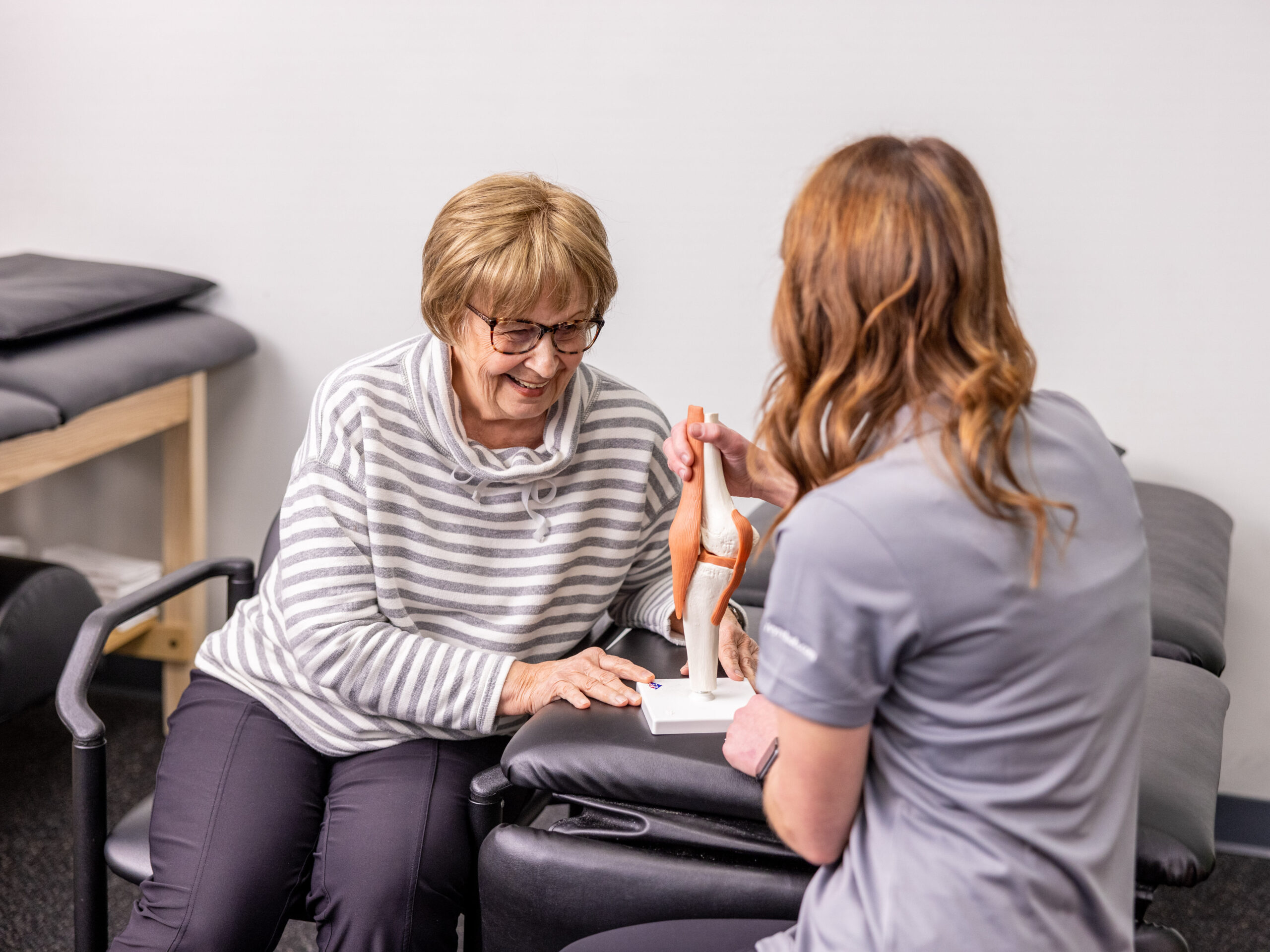
Your care at Ivy starts with a full evaluation to understand your movement, symptoms, and goals. A physical therapist will look at how you move, your range of motion, and how certain activities increase discomfort. We may also ask you to rate your pain and use that rating to track your progress. From there, we create a plan that helps you feel stronger, move better, and get back to doing what you love.
Treatment may include:
- Physical therapy for knee pain to improve strength, mobility, and function
- Manual therapy to reduce stiffness and promote healing
- Pain management with heat, ice, or other techniques
- Balance and gait training to restore safe, efficient movement
- Functional rehab to help you return to everyday activities
We also support patients before and after knee surgery. Prehab can improve your strength and mobility ahead of surgery, while post-op therapy helps you recover safely and fully.
Knee pain exercises for recovery.
Our therapists guide you through targeted exercises based on your diagnosis, goals, and pain level. Some common options include:
- Straight leg raises to build quadriceps strength
- Side leg raises and clamshells to stabilize your hips and knees
- Bridges and step-ups for functional lower body strength
- Stretching routines for hamstrings, calves, and quads
These exercises are always adapted to fit your needs. As you build strength and mobility, we’ll progress your program to match your pace.
When to see a knee pain specialist.
If your knee pain is keeping you from walking, working, or doing the things you love, it’s time to take the next step. You should see a knee pain specialist if you:
- Have pain that’s lasted more than a week
- Notice swelling or stiffness that limits movement
- Feel unstable, weak, or unable to fully bear weight
- Are recovering from surgery or injury and want expert support
FAQs
Do I need a doctor’s referral to start physical therapy for knee pain at Ivy Rehab?
In many cases, no. Ivy Rehab states that it offers direct access, which allows patients to begin physical therapy without a referral or prescription, and you can often visit a physical therapist without first getting a doctor’s prescription.
That said, coverage and referral requirements can still vary based on your insurance and situation. Ivy Rehab notes, for example, that Medicare patients may be seen for an initial evaluation without a referral, but ongoing care may require a signed plan of care from a healthcare provider. The next best step is to contact your nearest Ivy Rehab clinic to verify your benefits and explain any referral requirements before you start.
How can physical therapy help with knee pain?
Physical therapy can be very effective for knee pain because it focuses on improving factors that commonly contribute to symptoms, such as strength, joint mobility, balance, and movement mechanics. For many common causes of knee pain, such as osteoarthritis, patellofemoral pain, degenerative meniscal tears, and some ligament injuries, exercise-based care is often recommended as a first-line treatment before more invasive options are considered.
By identifying what is putting extra stress on your knee and building a personalized plan around that, physical therapy can help reduce pain, improve function, and make daily activities like walking, climbing stairs, and getting out of a chair feel easier.
How long does physical therapy for knee pain usually take?
The length of physical therapy depends on what is causing your knee pain, how long your symptoms have been present, and how consistently you can follow your treatment plan. Many people with knee osteoarthritis or patellofemoral pain begin to see meaningful improvement within about 6 to 12 weeks, while more complex cases, including ligament injuries or post-surgical recovery, may require a longer course of rehabilitation.
Some people feel better within a few weeks, while others need several months of steady progress. Ivy Rehab also notes that the recommended length of care can range from several visits to several months, depending on the severity of the issue and the level of function you want to regain.
What happens during my first physical therapy visit for knee pain?
Your first physical therapy visit usually begins with a conversation about your symptoms, medical history, daily activities, and goals. Your therapist will want to understand when your knee hurts, which movements make it worse, and how it affects walking, standing, stairs, exercise, and getting in and out of a chair.
From there, your therapist will perform a physical evaluation that may include assessing how you walk, how your knee bends and straightens, your strength, flexibility, and balance, and how nearby areas, such as your hip, ankle, and foot, may be contributing. After the evaluation, they will review their findings with you and begin building a treatment plan tailored to your needs.

Take the first step toward relief.
Knee pain doesn’t have to control your life. Ivy’s physical therapy team is here to help you get stronger, feel better, and move more freely.
Schedule an appointment today and let’s work together to get you back on your feet.