


Back Pain
Back pain can turn everyday movements – like bending, standing, or even sitting – into a struggle. Whether it’s a persistent ache, sharp discomfort, or stiffness that limits your mobility, Ivy Rehab is here to help you regain strength, stability, and confidence in your movement.
Why does my back hurt?
Your spine is a complex structure, and pain can result from many different causes. Some of the most common include muscle strains, herniated discs, degenerative disc disease, spinal stenosis, facet joint dysfunction, sacroiliac joint issues, and osteoarthritis. Whether your pain stems from an injury, poor posture, or age-related changes, early intervention and personalized care can make all the difference in your recovery.

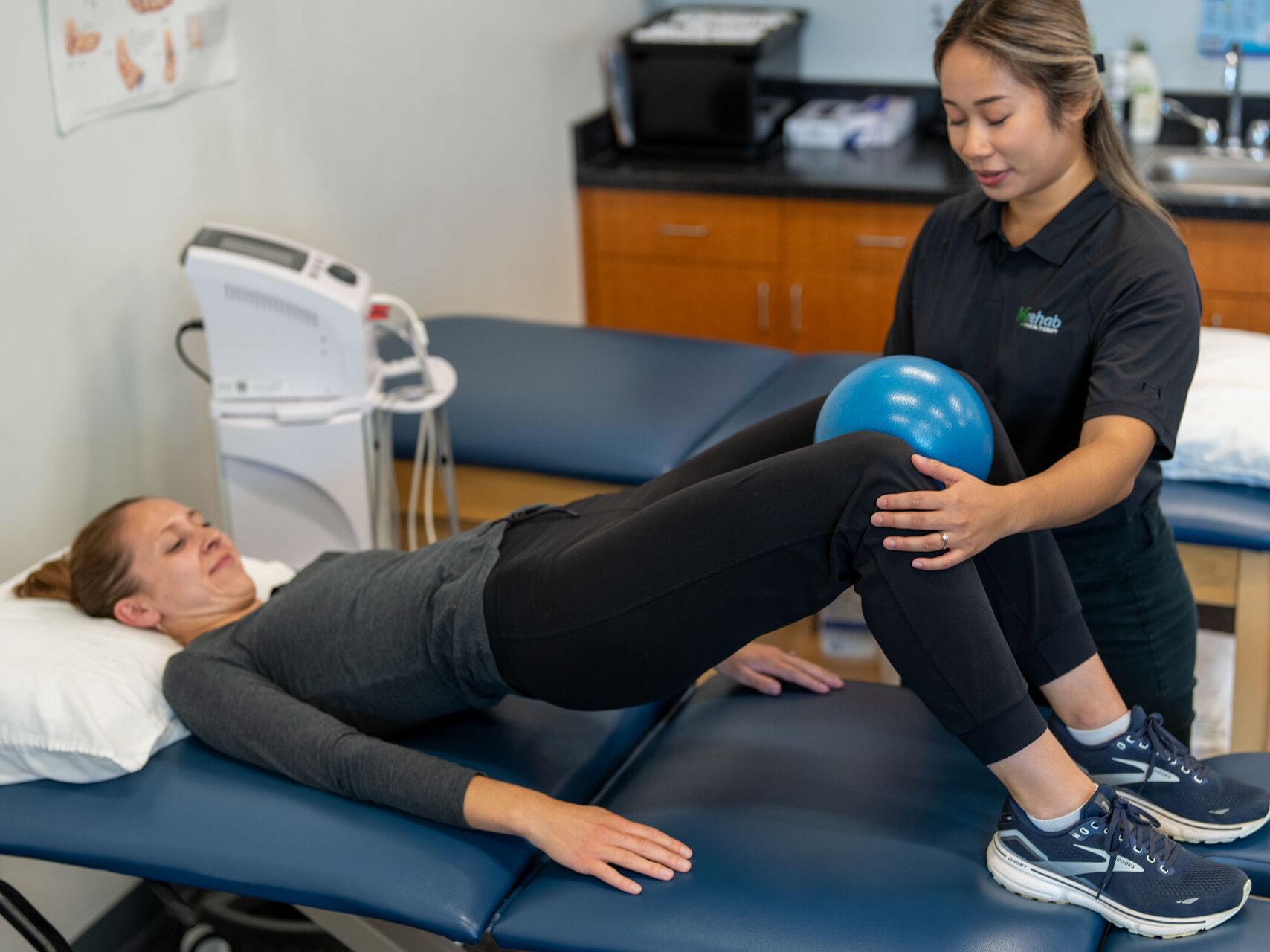
Signs it’s time to take action.
Back pain symptoms can vary widely, but certain signs suggest it’s time to seek professional help:
- Persistent Pain: Whether it’s a dull ache or sharp, radiating discomfort, ongoing back pain shouldn’t be ignored.
- Stiffness & Limited Mobility: Difficulty bending, twisting, or standing up straight may signal an underlying issue.
- Numbness or Tingling: Sensations in the lower back, hips, or legs could indicate nerve compression.
Common myths about back pain.
There are many myths about back pain that can keep people from getting the right care:
- “Complete rest is the best solution.” While short periods of rest can help during a flare-up, staying in bed or avoiding movement for too long can lead to stiffness, muscle weakness, and slower recovery. Staying active with guided movement is usually more effective than prolonged rest.
- “Surgery is the only answer.” Most back pain is musculoskeletal and can be managed without surgery. Many conditions respond well to physical therapy, movement retraining, and targeted strengthening.
- “If I ignore it, it will just go away.” Some back pain does resolve on its own, but persistent or recurring pain is a sign your body needs attention. Ignoring it can lead to long-term mobility issues and a higher risk of chronic low back pain.

What Does Physical Therapy Do for Back Pain?
Your physical therapist will:
- Evaluate your posture, alignment, and how you move during everyday tasks
- Assess spine mobility, muscle strength, flexibility, and core control
- Identify patterns such as stiff areas, weak muscles, or movements that overload your back
From there, they develop a customized treatment plan that may include:
- Education on posture, body mechanics, and home strategies to manage pain
- Targeted exercises to restore motion and strength
- Hands-on care (manual therapy) to ease stiffness and muscle tension
Benefits of PT for Lower Back Pain
With consistent care, physical therapy can:
- Reduce pain and stiffness in your lower back
- Improve strength, flexibility, and spinal stability
- Support a safe return to work, sports, and daily activities
- Help manage chronic low back pain and reduce reliance on medication over time
The goal is not just to feel better now, but to give you the tools to protect your back moving forward.
How we provide back pain treatment.
Most back pain can be managed without surgery. At Ivy Rehab, we create customized treatment plans designed to relieve pain and restore function, including:
- Physical Therapy for Back Pain: Strengthening and mobility exercises tailored to your needs.
- Postural Training & Ergonomic Adjustments: Strategies to support your spine and reduce strain during daily activities.
- Pain Relief Techniques: Hands-on manual therapy, stretching, and target movement to improve mobility.
- Core Strengthening: Focused exercises to stabilize and protect your back.
- Advanced Interventions: In some cases, additional treatment options, such as manual therapy or guided therapeutic exercise may be recommended.
Every plan is personalized. Your PT will adjust your treatment as you improve and teach you what to do at home so you feel more in control between visits.
Back pain exercises for recovery.
A physical therapist can guide you through specific back pain exercises that promote recovery and prevent future discomfort, including:
- Gentle range-of-motion exercises to reduce stiffness.
- Core stabilization exercises to support spinal health.
- Functional movement training to improve posture and daily mobility.
When to see a back pain specialist.
If back pain is interfering with your daily life, don’t wait for it to get worse. You should seek professional care if you:
- Have back pain that isn’t improving or keeps coming back.
- Struggle with bending, lifting, or standing for long periods.
- Experience sudden back pain from a strain, twist, or movement – even without an obvious injury.
- Need post-surgical rehab after a back procedure.

Take the first step toward relief.
You don’t have to live with back pain. Ivy Rehab’s expert team is ready to help you move better, feel stronger, and enjoy life without limitations. Schedule an appointment today for the best treatment for back pain.