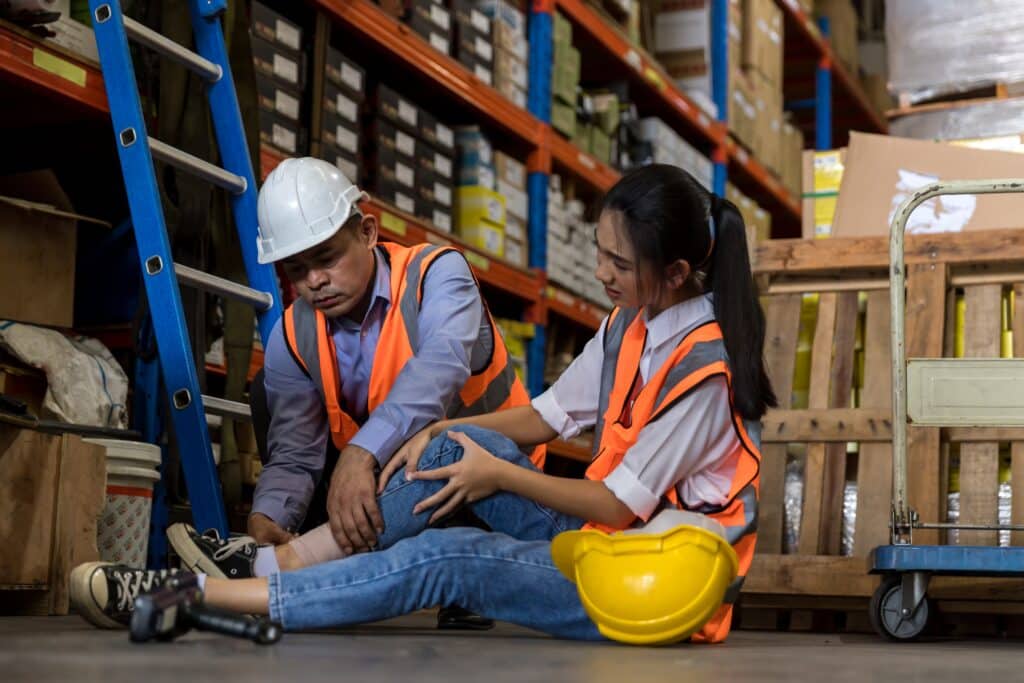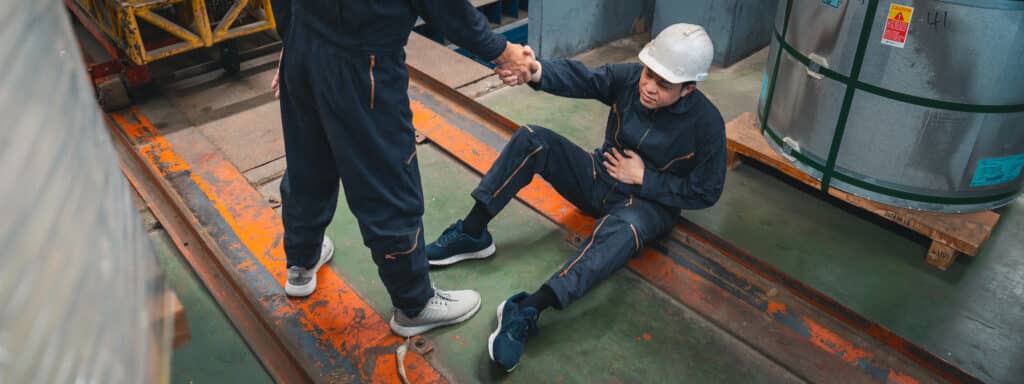
Recovering from a work-related injury can be overwhelming, especially when returning to work requires both physical strength and confidence. That’s where specialized rehabilitation programs, such as work conditioning and work hardening, come in. These evidence-based approaches bridge the gap between physical therapy and full work readiness, helping injured workers rebuild their abilities safely and effectively.
This guide breaks down work hardening vs work conditioning, explaining what each program is designed to help employees perform their job duties, their differences, and how they benefit both workers and employers.
What is Work Conditioning and How Does It Help?
A work conditioning program is a structured therapy program designed to help injured workers regain the physical strength and functional abilities needed to return to work safely. It bridges the standard physical therapy and the demands of a real job.
This work conditioning approach focuses on restoring mobility, endurance, and strength through exercises that replicate workplace tasks such as lifting, carrying, or repetitive activities.
After an initial assessment to gauge physical capabilities, a customized plan is created to track progress and adjust as needed. Programs typically last 2 to 4 weeks, with sessions lasting 2–4 hours, held several times a week.
- Improved functional readiness to meet job demands
- Reduced risk of future injury through proper body mechanics
- Enhanced confidence when returning to work
- Lower absenteeism and faster recovery times
Grounded in physical and occupational therapy principles, work conditioning not only restores physical function but also helps ease anxiety about returning to work, fostering motivation and resilience.
What is Work Hardening and How Does It Help?
A work-hardening program is a more intensive and multidisciplinary treatment program designed for workers recovering from complex injuries or chronic pain.
Unlike work conditioning, work hardening incorporates a holistic approach, combining physical therapy, occupational therapy, and often mental health or vocational counseling to rebuild both physical and psychological resilience.
It starts with a comprehensive assessment to identify each worker’s strengths, challenges, and job requirements. Programs typically run for 4 to 8 weeks (about 2 months), with sessions lasting up to 8 hours a day, five days a week – mirroring a full workday.
The benefits of work hardening include:
- Enhanced physical and mental resilience
- Job-specific training that mirrors real tasks and requirements
- Ongoing assessment to track progress and adjust the treatment plan
- Better coordination between the therapist, physician, and employer
The work hardening program takes rehabilitation beyond the body, preparing injured workers for both the physical and emotional demands of the workplace.
Key Differences Between Work Conditioning and Work Hardening
While work conditioning and work hardening share a common goal, like helping employees return to work safely, there are important differences:
| Aspect | Work Conditioning | Work Hardening |
| Focus | Primarily physical rehabilitation and strengthening | Multidisciplinary — addresses physical and psychological recovery |
| Duration | 2–4 weeks | 4–8 weeks |
| Intensity | 2–4 hours per session | Up to 8 hours per day (simulating a full workday) |
| Provider | Physical therapist or occupational therapist | Collaborative team (therapist, physician, counselor) |
| Approach | Exercises to restore strength, mobility, and endurance | Comprehensive training to prepare for full job reintegration |
Despite these differences, both programs aim to:
- Improve strength, flexibility, and endurance
- Teach proper body mechanics to prevent re-injury
- Reduce fear and anxiety about returning to work
Who Can Benefit from Work Conditioning or Work Hardening?
Both work hardening and work conditioning are highly beneficial for injured workers recovering from work-related injuries or surgeries who need to rebuild their abilities and confidence before returning to full duties.
The ideal candidates include:
- Employees in physically demanding fields like construction, manufacturing, firefighting, healthcare, and law enforcement
- Workers recovering from surgical procedures who need to regain strength and mobility
- Individuals with chronic pain or deconditioning due to long recovery periods
If an employee struggles with traditional physical therapy or needs more intensive support to return to work, they may benefit from these programs.
When to Consider Work Conditioning or Work Hardening
Knowing when to start work conditioning or work hardening is essential to your recovery.
Choose work conditioning if:
- You’re ready to return to work, but you still need to rebuild your strength and endurance.
- You’re recovering from a mild or moderate injury that limits performance.
Choose work hardening if:
- You have a complex injury or need multidisciplinary treatment.
- You must prepare for job duties that are physically demanding or involve high risk.
Both programs focus on functional training, strengthening, and safe reintegration, which helps workers return to their jobs stronger and more resilient.
Prevention and Long-Term Recovery
At Ivy Rehab, our goal goes beyond treatment. We help you prevent reinjury and maintain long-term health after completing your work conditioning or work hardening program.
Practical strategies include:
- Maintaining core and functional strength with ongoing exercises and therapy sessions
- Practicing safe lifting mechanics and avoiding sudden, awkward movements
- Using proper ergonomics in all work activities
- Staying active to promote circulation and flexibility
- Scheduling regular physical therapist check-ins for injury prevention and maintenance
This proactive practice ensures workers stay strong, safe, and confident well after recovery.
Ready to Support Your Recovery?
Whether you’re an employee rebuilding strength after an injury or an employer supporting a worker’s recovery, Ivy Rehab offers specialized work conditioning and work hardening services designed to help you return to work safely and confidently.
Schedule an appointment at your nearest Ivy Rehab location today to take the next step toward recovery and lasting wellness.
FAQs
Are these programs covered by workers’ compensation?
Yes, most workers’ compensation plans recognize the benefits of work conditioning work and work hardening work as part of structured rehabilitation.
How do I know which program I need?
Your physician or therapist will assess your injury and recommend the program that best fits your recovery goals.
How long does each program last?
A work conditioning program usually runs for 2–4 weeks; a work hardening program can last 4–8 weeks with longer sessions.
What is the main difference in work hardening vs work conditioning?
Work conditioning targets physical recovery, while work hardening includes psychological and vocational training for complex injuries.
Who leads these programs?
A licensed physical therapist or occupational therapist leads work conditioning, while work hardening involves a multidisciplinary team.

Before you go
Find the right therapy today.
Discover how Ivy Rehab can help you get back to doing what you love.