
Discover why proper lifting mechanics are crucial for preventing injuries and increasing productivity. Learn key steps and expert advice to improve your lifting techniques and find out how occupational and rehabilitation physical therapy can help enhance your performance.
Why Proper Lifting Techniques Matter
Lifting properly is crucial for staying safe and getting more done. Despite ongoing research and guidelines, lower back pain and injuries to muscles, bones, joints, and tendons continue to make up the most work-related injuries. Using proper lifting mechanics can greatly lower your chances of hurting your body and prevent losses in productivity. Knowing the right way to lift is key to a safer and smoother work routine.
Still, the debate remains. For years there has been a debate around whether it’s better to use proper body mechanics and lifting techniques or rely on the body’s natural movements. While our bodies are built to handle lifting tasks with its natural curves and muscle flexibility, many people aren’t physically fit enough for efficient lifting. Nonetheless it’s crucial to be practical and offer tools to minimize strain and improve how our bodies handle lifting, considering factors like lever arms and muscle force.
How to Carry Heavy Objects Safely
Carrying something heavy is about moving with intention. When you use proper body mechanics, you protect your spine, reduce strain on your joints, and keep yourself safe whether you’re at work or tackling everyday tasks at home. Here’s how to carry objects securely from start to finish:
Before Lifting
Preparing your body before you lift gives you a solid foundation to move safely.
- Assess the load. Make sure the object is something you can lift without strain. If it’s too heavy or bulky, ask for help or use a cart.
- Plan your path. Clear tripping hazards and make sure you know exactly where you’re going.
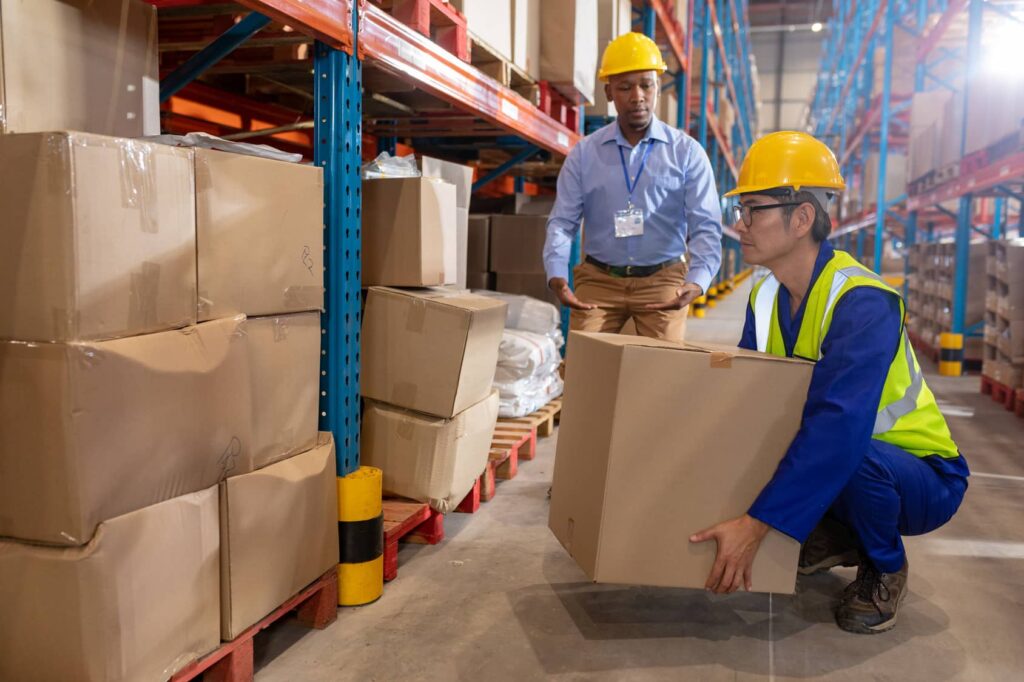
- Position your body. Stand close to the object with your feet shoulder-width apart for balance.
- Engage your core. A gently braced core helps protect your spine and keeps the movement controlled.
- Use your legs. Bend at your hips and knees—not your back—to get low and prepare to lift.
While Carrying
Once you’ve lifted the object, staying steady is your priority.
- Keep the load close. Holding the object close to your body reduces strain on your back and shoulders.
- Maintain good posture. Keep your shoulders back, chest open, and spine tall.
- Take small, steady steps. Move slowly and avoid sudden twists or side bends.
- Stay aware of your surroundings. Look ahead—not down—to keep your path clear and your balance steady.
Setting Down Safely
Lowering a heavy object is just as important as lifting it correctly.
- Use the same mechanics in reverse. Bend your knees and hips while keeping your back straight.
- Place the load gently. Don’t drop or let the weight pull you forward.
- Keep your core engaged. Maintain control until the object is fully supported by the surface.
- Adjust your grip as needed. If you need to reposition the object, do so after you’ve set it down safely.
What Not to Do
Avoid these common mistakes. They’re small actions that can quickly lead to big injuries.
- Don’t twist while lifting or carrying. Pivot with your feet instead of turning your torso.
- Don’t lift with your back. Bending forward from the waist puts unnecessary stress on your spine.
- Don’t rush. Sudden or jerky movements increase your risk of strain.
- Don’t carry more than you can handle. When in doubt, lighten the load or ask for help.
- Don’t block your line of sight. If you can’t see where you’re going, the risk of falling increases dramatically.
Managing Pain During Lifting
Pain, as defined by the International Association for the Study of Pain, is an “unpleasant sensory and emotional experience associated with actual or potential tissue damage” When it comes to lifting things, pain can happen because of different reasons, like carrying too much weight, problems with how things are set up, or doing the same thing over and over.
If pain stops you from finishing a task, it’s crucial to take a break. Sometimes this means stopping entirely, or it could mean doing less or taking more breaks. Most of the time, back pain gets better in about 10 to 14 days (about 2 weeks) with proper self-care. This includes resting, doing gentle stretching, paying attention to your posture, and using things like ice or heat packs for relief. Gentle stretching helps keep your muscles flexible and improves blood flow.
Remember, pain is not a reason to avoid activity. Instead, it’s a sign to look at how you’re working, how you’re moving, and how much you’re lifting to stay safe and healthy.
Boosting Lifting Skills with Physical Therapist Help at Ivy Rehab
Physical and occupational therapists are experts in muscles and bones. They learn a lot about how the body works through studying, training, and their experiences. These therapists can teach you how to prevent injuries and stay healthy. Sometimes they get special certifications in areas like making workspaces safer or preventing injuries. They’re often the go-to source for companies to check whether a workplace is safe and to help fix any problems.
When it comes to improving lifting mechanics, therapists can look at how you’re moving now and find ways to make it safer and easier. They might suggest exercises to make your muscles stronger or teach you better ways to lift. If you do get hurt, they use proven methods to help you heal. Ivy Rehab has a whole team dedicated to making sure therapists have the best training and tools to help both workers and employers stay safe and healthy. Schedule your free screening at the nearest clinic today.
References
- International Association for the Study of Pain. “IASP Announces Revised Definition of Pain.” https://www.iasp-pain.org/publications/iasp-news/iasp-announces-revised-definition-of-pain/.

Before you go
Find the right therapy today.
Discover how Ivy Rehab can help you get back to doing what you love.