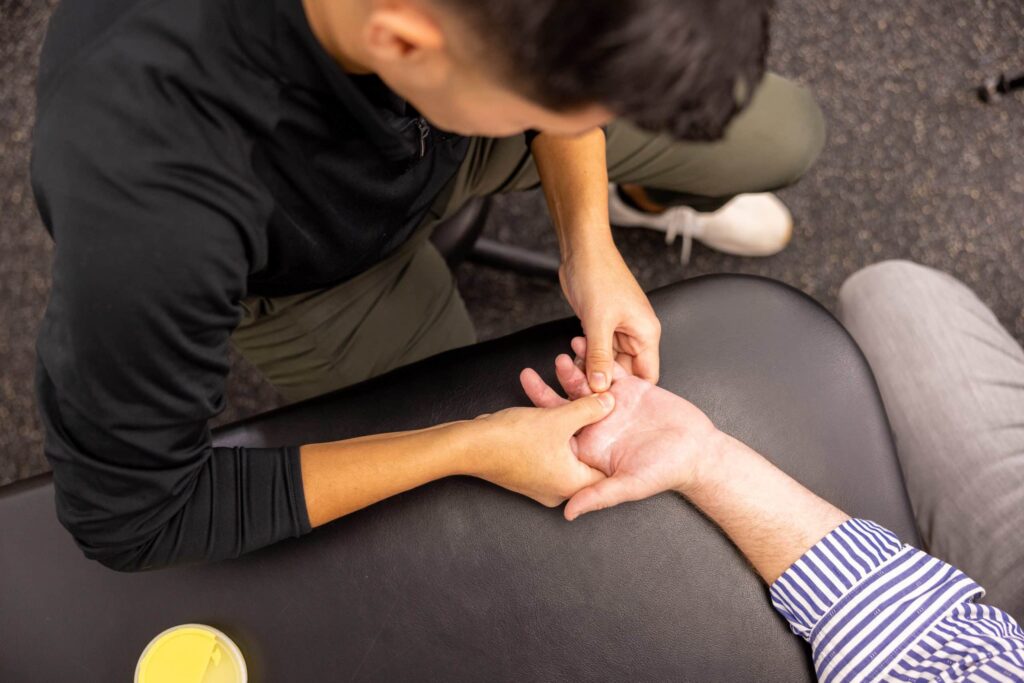


Most falls happen in the place we least expect: our own homes. A loose rug, poor lighting, or a slippery bathroom floor can turn a familiar space into a hidden hazard. Through fall prevention occupational therapy, individuals can identify hazards, reduce risk, and maintain independence.
At Ivy Rehab, our occupational therapy fall prevention programs combine interventions, education, movement, retraining, and home safety strategies. Together, our occupational therapy practitioners and physical therapy teams help patients strengthen their bodies, adapt their environments, and move with more confidence every day.
Why Falls Often Happen at Home
Most falls don’t happen on icy sidewalks or staircases; they happen while doing everyday things. The National Council on Aging reports that over 75% of falls among older adults occur indoors, often during routine tasks like bathing, cooking, or getting dressed.
Common causes include:
- Slippery floors or loose rugs
- Poor lighting, especially at night
- Cluttered walkways or uneven surfaces
- Difficulty reaching overhead or bending down
- Rushing or moving too quickly when tired
For many adults, chronic disease conditions such as arthritis, Parkinson’s, or vision changes increase fall risk, making simple behaviors more dangerous. Small hazards can easily turn into serious threats to independence.

How Occupational Therapy Helps Prevent Falls
Occupational therapy is about helping people live life fully and safely. For fall prevention, that means focusing on the whole picture: your body, your habits, and your environment. Occupational therapists assess how you move through your space and teach ways to reduce risk while staying active and independent.

Home Safety Assessments
During an occupational therapy fall prevention assessment, your therapist begins with a detailed look at your home setup to pinpoint hazards and suggest simple, affordable changes.
Common recommendations for home assessment include:
- Adding brighter lighting in key areas
- Installing grab bars or raised toilet seats in bathrooms
- Rearranging furniture for clear, wide paths
- Securing loose rugs or adding non-slip mats
A 2023 study found that home safety interventions have shown effectiveness and significantly reduced fall rates among older adults living independently.
Safe Movement Training
Falls often happen during transitions like getting out of bed, turning quickly, or reaching overhead. Occupational therapists teach safer ways to move and position the body during everyday activities, helping patients maintain independence without increasing strain. This education empowers individuals to build confidence and reduce fall frequency without compromising independence.
You’ll learn strategies for:
- Standing and sitting safely
- Reaching and lifting with better body mechanics
- Navigating stairs and uneven flooring
- Managing slipper or tight space confidently
Through consistent practice of these exercises, patients help improve ability and decrease their fear of falling.
Energy Conservation and Pacing
Fatigue plays a major role in fall risk. Through pacing techniques, occupational therapists help patients conserve energy while completing daily activities. You’ll learn how to organize your day, take strategic rest breaks, and use stronger muscles for heavier tasks. These interventions make movement safer and less exhausting.
Assistive Devices and Adaptive Equipment
Sometimes, safety means using the right tools. Occupational therapy fall prevention includes guidance on selecting and adjusting assistive devices like canes, walkers, or reachers to fit their home setup. They also teach proper use to avoid accidents or overreliance. Adaptive equipment for the kitchen, bath, or bedroom can also make independence easier and safer.
Adaptive equipment is chosen based on a personalized evaluation, considering each individual’s home layout, ability, and level of independence.
Exercises in OT Fall Prevention Programs
Physical movement is central to OT fall prevention and physical therapy collaboration. Exercises are chosen not just to build strength, but also to mirror real-life activities and improve confidence in motion.
Examples include:
- Sit-to-Stand Training: Builds leg power and coordination for daily transfers.
- Reaching and Balance Activities: Strengthens stability during kitchen or grooming tasks.
- Functional Mobility Drills: Simulates carrying groceries, turning, or walking on different surfaces.
According to research, functional task-based training – a hallmark of occupational therapy programs – improved balance and postural control by over 20% in older adults.
The OT & PT Partnership in Fall Prevention
At Ivy Rehab, fall prevention occupational therapy is a team effort. Our occupational and physical therapists work together to build comprehensive, patient-centered programs.
- Physical therapy strengthens muscles, improves balance, and retrains gait.
- Occupational therapy focuses on home safety, adaptive strategies, and functional independence.
Together, these specialties create a well-rounded plan for preventing falls at home and in the community. For many community-dwelling older adults, this partnership means the difference between fear and confidence.
Why Choose Ivy Rehab for Fall Prevention
Ivy Rehab’s fall prevention occupational therapy programs are designed to meet you where you are. Whether you’re recovering from a fall or simply want to make your home safer, our team offers evidence-based care that fits your lifestyle.
What you can expect:
- Personalized one-on-one OT and PT sessions
- In-home safety recommendations tailored to your needs
- Strength, coordination, and balance training
- Guidance on assistive devices and adaptive equipment
- Education for patients and caregivers
Our goal is simple: help you stay safe, active, and independent with confidence in every step.
Living Safely and Confidently at Home
Falls can feel sudden, but prevention is something you can build over time. With OT fall prevention programs, you can strengthen your body, simplify your home environment, and regain trust in your movement.
At Ivy Rehab, our occupational and physical therapy specialists work together to help you stay steady on your feet and in control of your independence.
Find an Ivy Rehab clinic near you to learn more about our occupational therapy fall prevention programs and start your path to safer movement today.
References
- National Council on Aging. 18 Steps to Fall Proofing Your Home. https://www.ncoa.org/article/18-steps-to-fall-proofing-your-home/
- PubMed Central. Home hazard modification programs for reducing falls in older adults: a systematic review and meta-analysis. https://pmc.ncbi.nlm.nih.gov/articles/PMC10363339/
- PubMed Central. Balance Enhancement in Older Adults: Is Functional-Task Training Better Than Resistance Training in Enhancing Balance in Older Adults?. https://pmc.ncbi.nlm.nih.gov/articles/PMC8653954/

Before you go
Find the right therapy today.
Discover how Ivy Rehab can help you get back to doing what you love.