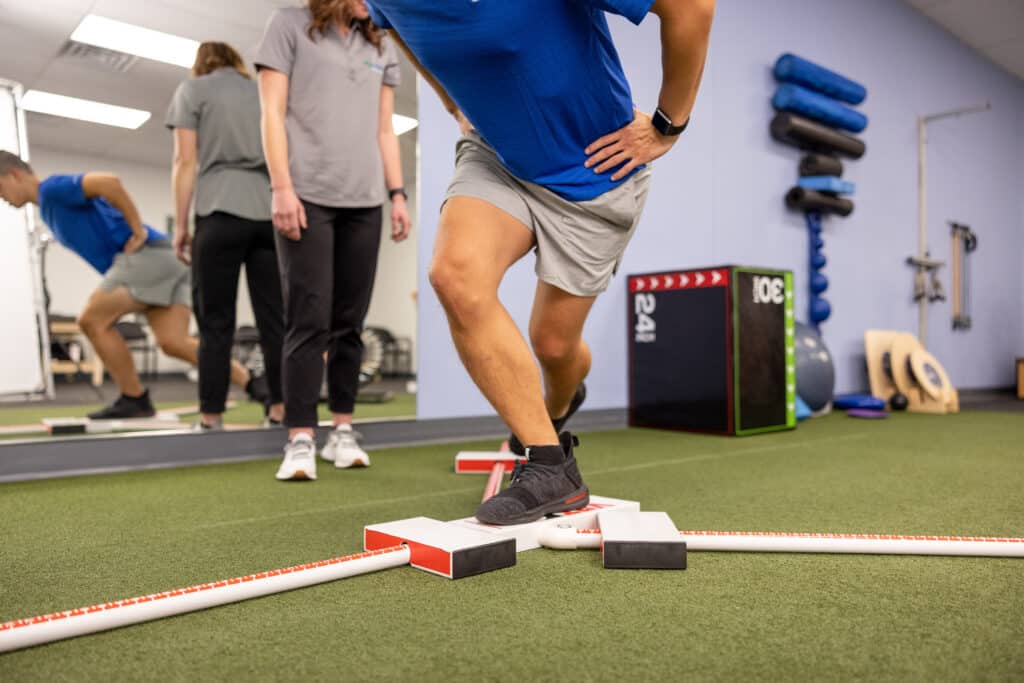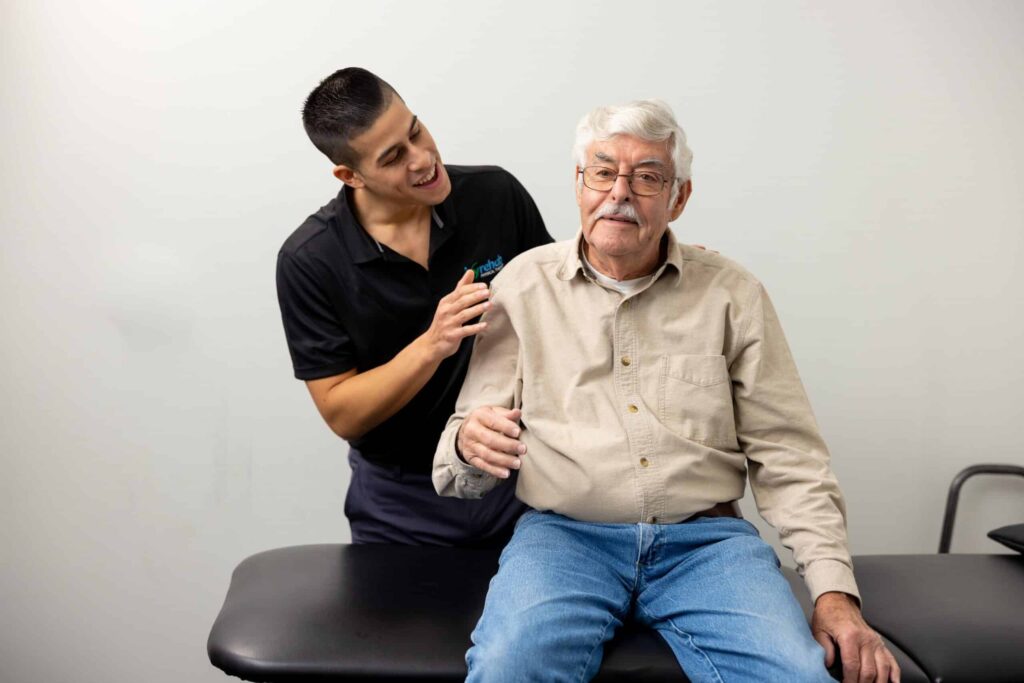


Shoulder strength is the unsung hero of everyday activities, from carrying grocery bags to embracing loved ones. Whether you’re aiming for peak athletic performance or simply seeking to enhance your daily range of motion, a robust shoulder routine is important. In this guide, we’ll explore the dynamic world of shoulder strength, offering a diverse set of exercises to strengthen your shoulders and giving insightful tips for an effective and empowering shoulder workout.
The Role of Shoulder Strength
Strong shoulder muscles do more than help you lift, reach, and carry. They’re the key to keeping your entire upper body moving with confidence. Your rotator cuff, deltoids, and upper back muscles all work together to support the shoulder joint, protect it from injury, and help you stay active in daily life.
When these muscles are weak or imbalanced, even simple tasks like reaching overhead or turning a doorknob can feel uncomfortable. Strengthening the shoulder not only improves stability and mobility, but also reduces strain on the joints and surrounding tissues. Over time, this creates a healthier foundation for movement and helps prevent recurring pain.
Understanding Shoulder Anatomy
The shoulder is one of the most flexible yet complex joints, involving three main bones (the clavicle, scapula, and humerus) and a network of muscles, tendons, and ligaments. Knowing how your shoulders function is key to achieving strong, stable movement. Here’s a quick breakdown to help you understand what you’re working with:
- Shoulder joint – Also known as the glenohumeral joint, this is the main ball-and-socket joint that provides a wide range of motion.
- Rotator cuff – This group of muscles and tendons stabilizes the shoulder and is crucial for shoulder stability and mobility.
- Shoulder blade (Scapula) – Essential for shoulder alignment and movement; exercises focusing on shoulder blade control can boost shoulder stability.
- Deltoid Muscle – This main shoulder muscle powers lifting and raising motions.
When you understand these parts, you can target them more effectively through specific exercises, reducing strain and building balanced strength.
Exercises to Strengthen Your Shoulders
To strengthen your shoulder muscles, try incorporating the following shoulder exercises:
Shoulder Rows
- Using a resistance band, pull evenly towards the side of the body with both arms from an extended position.
- Start with two sets of 10 reps
- Focus on standing straight and not elevating the shoulders as you pull
Y-Raises
- Lie facedown on an incline bench or physioball and raise your arms to form a Y shape.
- Aim for two sets of 10 raises.
- Focus on squeezing your shoulder blades together. It’s important to raise the arms slowly and not cause pain by being too aggressive.
Rotator Cuff Internal and External Rotations
- For internal rotation, use a resistance band anchored at elbow height, keep your elbow at your side bent at a 90-degree angle, and rotate your arm across your body. For external rotation, maintain the band position, but rotate your arm outward.
- Perform two sets of 15 reps for each rotation.
- Keep movements controlled to target the rotator cuff and shoulder muscle effectively.
Strategies for Effective Shoulder Empowerment
As powerful as the shoulder is, it’s also prone to injuries. Follow these injury prevention tips to help you stay consistent with your strengthening routine without setbacks:
- Diversify your routine – Include a variety of exercises to strengthen your shoulders and improve shoulder stability.
- Mindful form – Prioritize proper form over heavy weights to prevent injury and enhance shoulder mobility exercises effectiveness. Form is critical, especially when working with an affected arm.
- Improve range with mobility work – Incorporate mobility exercises that can enhance flexibility, helping you achieve both strong shoulders and healthy movement patterns.
- Focus on physical therapy benefits – Many of these exercises are common in rehabilitation physical therapy routines, helping to restore function to an affected arm or injured area. This approach supports a healthy arm and optimizes shoulder health.
Advanced Challenges for Shoulder Mastery
For those seeking an extra challenge, try these exercises:
- Plyometric exercises – Integrate explosive movements like medicine ball throws.
- Functional training – Mimic real-life movements to enhance practical strength.
- Dynamic stability work – Include exercises on unstable surfaces for added difficulty.
Embark on the journey to elevate your shoulder strength, and you’ll discover newfound resilience and agility. These exercises, coupled with consistency and a commitment to mindful growth, will not only empower your shoulders but also enrich your overall physical experience. It’s time to elevate your strength and embrace the transformative power of robust shoulder strength and stability. Your daily activities will thank you.
Personalized Therapy for Lasting Relief at Ivy Rehab
Every shoulder tells a different story, and your care should reflect that. At Ivy Rehab, we take the time to understand your goals, your symptoms, and how shoulder pain impacts your daily routine.
Your treatment plan may include hands-on therapy, mobility work, strengthening exercises, and innovative techniques designed to restore comfort and function. We focus on progress you can feel as you do the activities you love with less pain.
Our team is here to encourage you, celebrate your wins, and help you gain the strength and confidence needed for long-lasting relief. Ready to feel the difference that personalized care can make? Schedule a visit with Ivy Rehab and take the next step toward stronger, healthier shoulders.
References
- Publication. “The name of the article.” https://the-url-to-the-article-reference.
- Publication Two. “The name of the article.” https://the-url-to-the-article-reference.
- Publication Three. “The name of the article.” https://the-url-to-the-article-reference.

Before you go
Find the right therapy today.
Discover how Ivy Rehab can help you get back to doing what you love.