
Post-concussion syndrome (PCS) can feel overwhelming. After a concussion or traumatic brain injury, symptoms like headaches, dizziness, fatigue, and trouble concentrating may last longer than you expect. If you’re wondering how to find the right treatment for post concussion syndrome, you’re not alone. Many suffer from lingering post concussive symptoms long after their initial head injury.
Early rest helps, but active, guided rehabilitation, especially physical therapy and vestibular rehab, can play a key role in post-concussion syndrome recovery. Even if progress feels slow, these structured programs help the body and mind adapt after a mild traumatic brain event, leading to renewed health and confidence.
If you’re looking for more support as you recover, the Centers for Disease Control and Prevention (CDC) offers easy-to-understand tips and resources on concussion recovery and traumatic brain injury management. Professional guidance, paired with encouragement from your support network, can make a world of difference as you move through the healing process.
This article explains practical treatment for post-concussion syndrome and how Ivy Rehab’s evidence-based, personalized approach supports post-concussion syndrome recovery, helping you return to the activities and lifestyle you love.
What Is Post-Concussion Syndrome?
Post-concussion syndrome happens when concussion symptoms continue past the usual recovery time, sometimes for weeks or months (Mayo Clinic). While most people begin to improve within days or a couple of weeks, persistent post concussive symptoms means symptoms stick around longer than expected. This can be frustrating and may impact how you feel at school, work, or home.
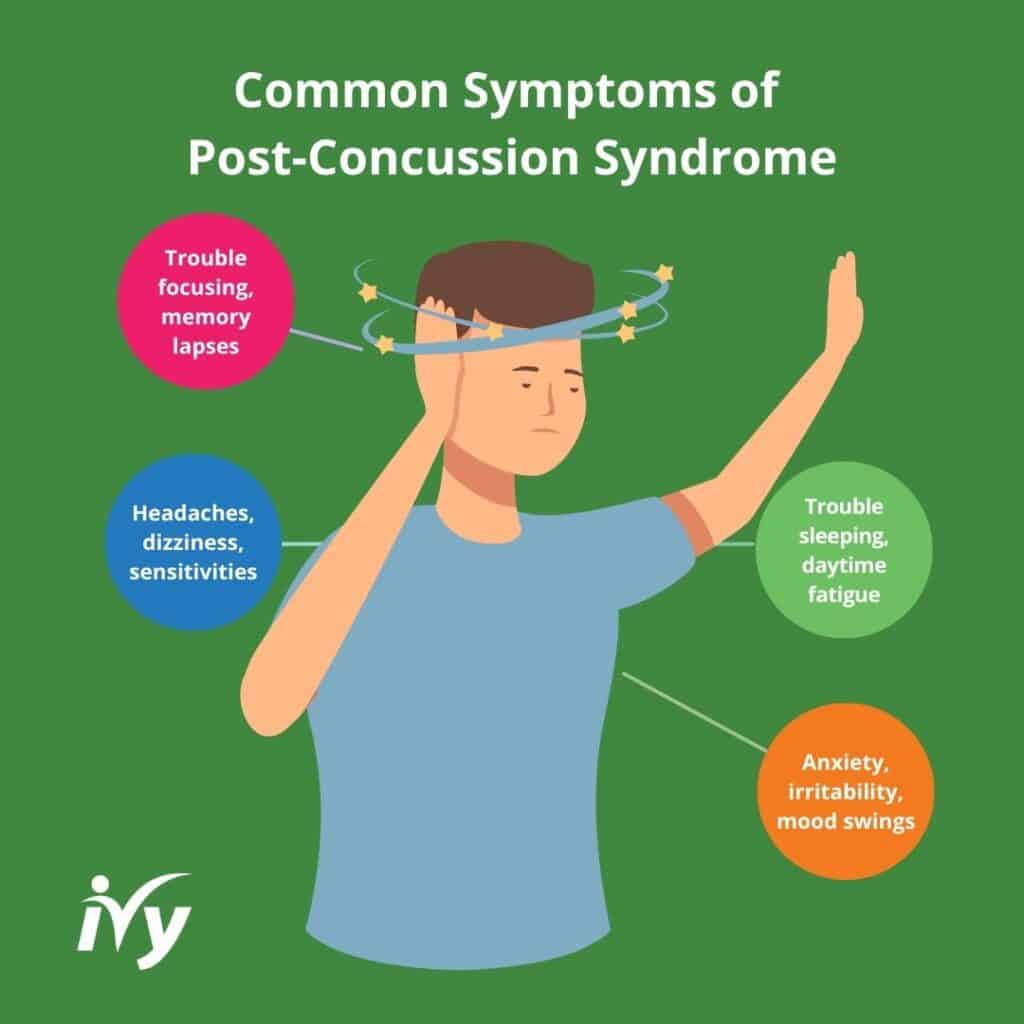
Common causes include sports injuries, falls, and car accidents. Symptoms may include:
- Cognitive issues: Trouble concentrating, remembering things, or following conversations.
- Physical symptoms: Headaches, dizziness, nausea, blurred vision, light/sound sensitivity, balance problems.
- Sleep disruptions: Difficulty falling or staying asleep, feeling tired throughout the day.
- Emotional challenges: Anxiety, irritability, sadness, or mood swings.
If any of this sounds familiar, know that tailored treatments, especially physical therapy for post-concussion syndrome, can help you feel more like yourself again. You don’t have to navigate the journey alone.
Common Treatments for Post-Concussion Syndrome
There is no single approach that works for everyone, but treatment for post-concussion syndrome often combines medical support, targeted therapies, and lifestyle changes. Your care may involve working with doctors, physical therapists, and other specialists to safely guide your post-concussion syndrome recovery. They may recommend a mix of rest, rehabilitation, and gradual return to activity depending on the traumatic brain injury severity.
Here’s how you can take positive steps toward recovery.
Medical Evaluation and Management
Early evaluation is essential, especially if post concussive symptoms persist or worsen. Your provider may recommend:
- Medication to relieve headaches, anxiety, or sleep problems.
- Rest and gentle activity to avoid both overexertion and excessive inactivity.
- Neurological assessments to rule out serious complications.
Close monitoring by your healthcare provider ensures that post-concussive symptoms are addressed effectively and that recovery remains safe.
Physical Therapy for PCS Recovery
Physical therapy for post-concussion syndrome can make a significant difference, especially when symptoms affect balance, coordination, or movement. At Ivy, concussion-trained therapists design personalized plans that may include:
- Balance and coordination training to restore confidence in movement.
- Neck-focused therapy to reduce cervicogenic headaches and improve stability.
- Vestibular rehabilitation (see below) for dizziness, vertigo, and visual motion sensitivity.
Physical therapy isn’t a one-size-fits-all process. Your therapist will work with you on gradual progress, adjusting routines based on your response. Many patients see improvements in just a few sessions, while others may benefit from ongoing care over several weeks.
For athletes recovering from a mild traumatic brain event, this targeted physical therapy helps reestablish neuromuscular control and reduce the effects of dizziness or imbalance.
Vestibular Therapy
Post-concussion vestibular dysfunction is common, especially when the inner ear’s balance system is affected. Vestibular rehab uses targeted exercises to help the brain adapt and regain stability. Techniques may include:
- Gaze stabilization to improve visual focus during head movement.
- Habituation exercises to reduce dizziness triggered by motion or visual patterns.
- Balance training to improve postural control and reduce fall risk.
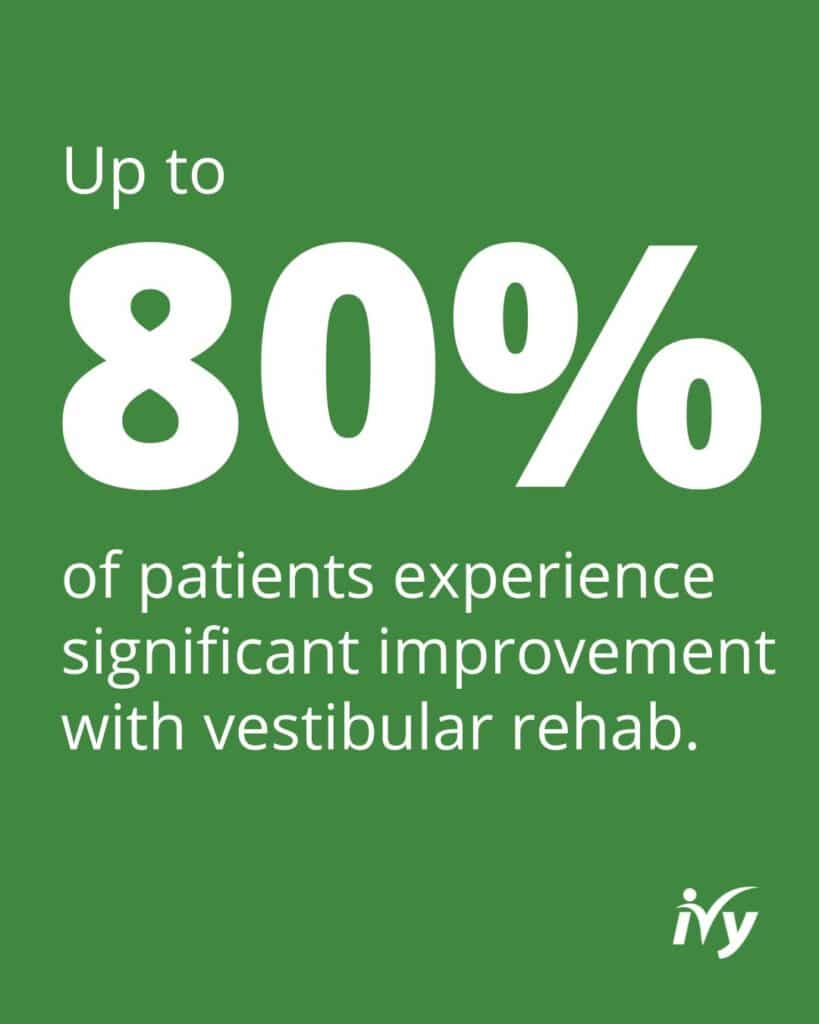
Evidence shows that up to 80% of patients experience significant improvement with vestibular rehab, especially when started early (Journal of Aging Research, 2018).
Oculomotor and Visual Coordination Training
Some PCS patients have blurred vision, trouble focusing, or light sensitivity. Oculomotor training – often integrated into Ivy’s vestibular programs – includes:
- Visual tracking exercises.
- Gaze stability drills.
- Eye-head coordination activities to improve reading and screen tolerance.
Cognitive Rehabilitation
Problems like brain fog, forgetfulness, or difficulty concentrating can affect your performance in school, at work, or even in conversations with friends and family. Cognitive rehabilitation therapy uses structured exercises to help:
- Strengthen memory, attention, and problem-solving.
- Improve organization and task management.
- Develop strategies for coping with temporary cognitive challenges.
Your therapist may use tools like memory games, visual tracking, writing tasks, or computer-based exercises. Sometimes, mobile apps can support ongoing brain training at home. Improvement takes patience, but small gains add up over time.
Lifestyle Adjustments
Small, healthy changes can speed post-concussion syndrome recovery and help you feel in control:
- Eat well and hydrate: Prioritize whole foods, omega-3s, and plenty of water.
- Limit screens: Reduce eye strain and headaches by taking regular breaks.
- Keep a steady sleep schedule: Go to bed and wake up at consistent times.
- Manage stress: Try breathing exercises, meditation, or short walks in nature.
Support during recovery matters. Sharing your experience with loved ones or joining a concussion support group can provide motivation and reassurance, reminding you that you’re moving forward—one day at a time.
Psychological Support
Managing post-concussion syndrome can be emotionally demanding. Counseling or cognitive behavioral therapy (CBT) can help you:
- Express feelings in a safe space.
- Develop coping skills for stress and mood changes.
- Maintain a hopeful outlook during recovery.
The emotional dimensions of recovery are as important as the physical ones. Your willingness to seek support after a brain injury is a sign of strength, not weakness.
How Long Does Post-Concussion Syndrome Last?
Recovery is different for everyone. Some people feel better in a few weeks; others may need several months before symptoms fully resolve. There’s no perfect timeline, but progress—no matter how gradual—means you’re moving in the right direction. Here are ways to keep your spirits high during the journey:
- Notice your improvements, like fewer headaches, steadier balance, or clearer thinking. Celebrate each milestone, however small.
- Be gentle with yourself and take things one day at a time. Pushing too hard can set back your recovery, while pacing yourself ensures you maintain momentum.
- Connect with family, friends, or PCS support groups—you’re not in this alone. Sharing your experience can unlock helpful advice and much-needed encouragement.
Ivy Rehab’s Approach to PCS Treatment
Our team specializes in how to treat post-concussion syndrome using personalized, evidence-based care that addresses both physical and emotional recovery. At Ivy Rehab, you’ll receive:
- One-on-one sessions with therapists trained in concussion and vestibular rehab.
- Individualized treatment plans tailored to your symptoms, lifestyle, and goals.
- Advanced techniques like gaze stabilization, habituation, and balance retraining.
- Collaboration with your physician, neurologist, or other specialists to ensure complete care.
Our nationwide clinics make it easy to find expert help close to home.
When to Seek Treatment
If your symptoms persist beyond a couple of weeks, suddenly get worse, or keep you from returning to work, school, or daily activities, it’s time to check in with a medical professional. Some signals that extra help may be needed include:
- Severe or worsening headaches
- Trouble staying awake or repeated vomiting
- Slurred speech or seizures
- Difficulty walking or weakness in the arms or legs
Don’t hesitate to reach out if you’re struggling. Early intervention improves outcomes and promotes long-term health. By working with healthcare experts, embracing physical therapy for post-concussion syndrome, and making simple daily changes, you become an active partner in your recovery journey.
Take Charge of Your Recovery Today
Small steps lead to big changes. Our caring team is here to support you—whether you’re learning how to treat post-concussion syndrome or looking for extra guidance on your journey.
If you’re ready to start feeling better, find a nearby location and schedule an appointment today. Progress is possible, and you don’t have to go it alone.
Remember, every recovery experience is unique. Setting realistic expectations and making a personalized plan can help you face each day with renewed optimism. Ivy Rehab’s therapists are here to deliver compassionate, evidence-based care that’s designed to help you achieve your goals—one step at a time.
References
- Centers for Disease Control and Prevention (CDC). What to Do After a Mild TBI or Concussion. https://www.cdc.gov/traumatic-brain-injury/response/index.html
- Mayo Clinic. Persistent post-concussive symptoms (Post-concussion syndrome). https://www.mayoclinic.org/diseases-conditions/post-concussion-syndrome/symptoms-causes/syc-20353352
- Journal of Aging Research. Patient-Reported and Performance Outcomes Significantly Improved in Elderly Patients with Vestibular Impairment following Rehabilitation: A Retrospective Study. https://pmc.ncbi.nlm.nih.gov/articles/PMC6129357/
- American Psychological Association. Cognitive Rehab Helps People with Acquired Brain Injury. https://www.apa.org/news/press/releases/2009/01/cognitive-rehab

Before you go
Find the right therapy today.
Discover how Ivy Rehab can help you get back to doing what you love.