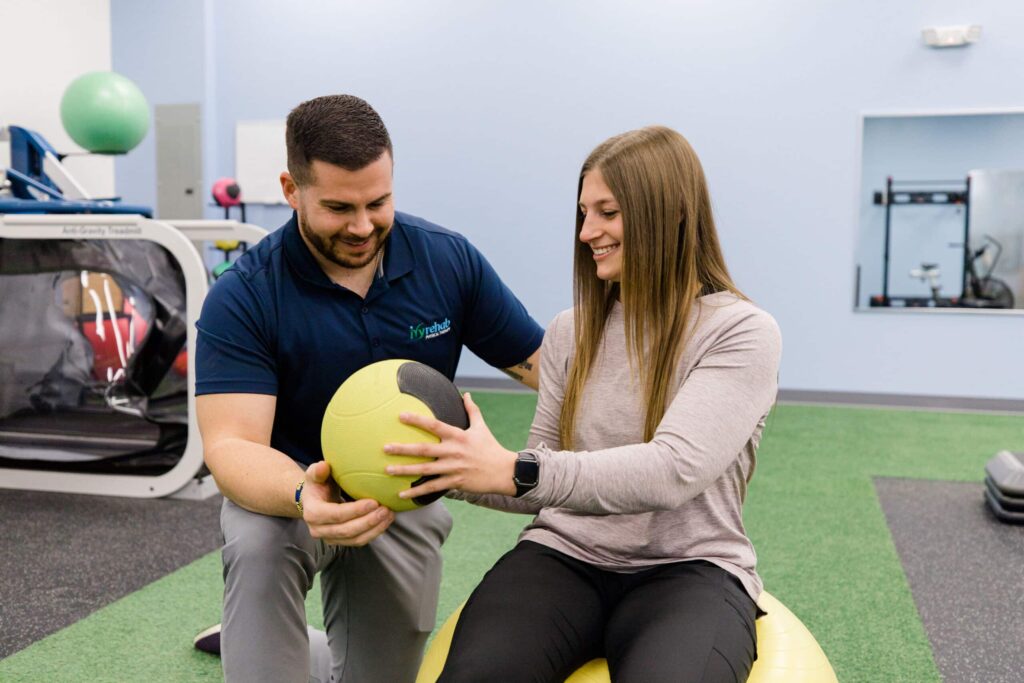


A herniated disc can make even the simplest tasks, like bending, walking, or sitting, feel impossible. But there’s a brighter side to this challenge. With the right treatment and commitment, recovery is absolutely within reach. Learning how to heal a herniated disc quickly is critical to optimizing your healing process.
Through evidence-based care and consistent physical therapy, this guide explains how to heal herniated disc pain effectively, debunk common myths, and give you eight actionable tips to help you get back to your favorite activities pain-free.
Understanding a Herniated Disc
The spine consists of bones called vertebrae, separated by discs that cushion them and absorb shock. When the soft inner material of a disc pushes through its tougher outer layer, this is called a herniated disc.
Common causes of disc herniation include poor posture, improper lifting, and wear and tear on the spinal structures as we age. According to the CDC, herniated discs are a leading contributor to back pain in adults, particularly those aged 45 and older (CDC Data Brief, 2019).
Symptoms of a Herniated Disc
Every herniated disc can affect the body differently, but common symptoms include:
- Localized pain in the lower back, neck, or shoulders.
- Radiating leg pain or sciatica, often on one side.
- Tingling, numbness, or weakness in the arms or legs.
- Difficulty sitting or maintaining posture due to spinal stiffness.
- Sharp, shooting pain that worsens with specific movements.
If you experience these issues, early treatment is critical to prevent damage and improve healing.
Common Myths About Herniated Discs
Misconceptions surrounding herniated discs often create unnecessary fear. Here are some truths to counter common myths:
- Myth: Surgery is always required for recovery.
- Truth: Most herniated discs heal with with non-invasive methods like physical therapy, which proves effective at speeding recovery (Fritz et al., 2015).
- Myth: Rest is the best remedy.
- Truth: Prolonged inactivity can actually weaken muscles and delay healing. Gentle movement and therapy are recommended (Frogner et al., 2018).
- Myth: You’ll have to live with pain forever.
- Truth: With the right care plan, most patients can regain full function and pain relief without invasive procedures (APTA Report, 2023).
Arming yourself with facts ensures a more confident approach to treatment while avoiding unnecessary stress.
Therapy Tips to Heal a Herniated Disc Quickly
There’s no magic cure, but consistent, targeted treatment can help you heal a herniated disc quickly. Here are eight proven tips to guide your recovery.
1. Move with Purpose: Physical Therapy Exercises
Physical therapy is the cornerstone of herniated disc healing. Targeted exercises relieve pressure on the spine, build strength, and improve mobility. Notable examples include:
- Prone Press-Ups – Gently extend the spine to relieve disc pressure.
- Open Book Stretch – Improves spinal rotation and flexibility.
- Cat/Camel Stretch – Enhances spinal mobility and reduces stiffness.
Studies show that physical therapy encourages the reabsorption of the herniated material and restores mobility efficiently (Frogner et al., 2018). A licensed physical therapist can design a custom program to treat your herniated disc safely and efficiently.
2. Fix Your Posture Before It Fixes You
Poor posture is a leading cause of herniated disc pain. Correct it by maintaining a neutral spine alignment and ergonomic adjustments can significantly improve its healing. Here’s how:
- At work: Utilize chairs with lumbar support, keep your feet flat, and maintain upright posture. Regular standing breaks every 30-60 minutes can also help reduce strain.
- During sleep: Sleep on your side with a supportive pillow between your knees or on your back with a pillow under them for optimal spine alignment.
Small changes in posture can make a big difference in both recovery and prevention (Fritz et al., 2015).
3. Use Ice & Heat Therapy Like a Pro
Alternate ice and heat to manage inflammation and pain relief of your herniated disc pain
- Apply ice for 15–20 minutes to reduce swelling.
- Use heat afterward to relax muscles and increase blood flow.
Your physical therapist will guide optimal usage based on your condition.
4. Rest, But Not Too Much
Though some rest is necessary, staying completely inactive may prolong recovery. Low-impact activities like walking or aquatic therapy promote healing without overstraining your spine.
Guided movement ensures spinal mobility without overexertion, addressing both short-term pain and long-term recovery (APTA White Paper, 2021).
5. Strengthen Your Core (It’s More Than Just Abs)
A strong core reduces the load on your spine and helps prevent reinjury. Exercises such as modified planks and bird dog variations improve balance and spinal stability. Progress gradually under professional supervision to avoid overstressing the area during recovery (APTA Report, 2023).
6. Hands-On Help: Manual Therapy
Hands-on physical therapy techniques complement exercises by relieving tension and restoring joint mobility. Common methods include:
- Soft Tissue Mobilization: Improves blood flow while reducing muscle tightness.
- Decompression Therapy: Helps create space for displaced nerves and relieves compression.
These techniques work in tandem with targeted exercises to optimize recovery (Frogner et al., 2018).
7. Make Smart Moves—Every Day
Simple adjustments in daily habits, like lifting with your knees instead of your back, can protect your spinal health. Avoid twisting, bending, or abrupt movements to ensure sustainable recovery through your treatment.
8. Stay the Course: Stick with Your Treatment Plan
Consistency is everything in herniated disc healing. Skipping exercise or neglecting posture corrections can delay progress. Patients who stick with their treatment plans see measurable improvements in pain and mobility over time (APTA White Paper, 2021).
Understanding Herniated Disc Healing Time
Healing time boils down to several factors, including the severity of the injury, age, and adherence to treatment. Here’s what you can expect:
- Mild cases may see significant relief in 4–6 weeks or less with consistent physical therapy.
- Moderate cases often need 6–12 weeks of guided rehabilitation to restore strength.
- Severe cases may take months, but even these show major improvement with adherence to a tailored therapy plan.
Early intervention makes a major difference. Research shows early utilization of physical therapy not only accelerates recovery but also may reduce unnecessary imaging, opioid reliance, and overall healthcare costs (APTA White Paper, 2023).
When to Call in the Experts
If your pain persists or worsens despite home treatment, it’s time to see a doctor or physical therapist. Early intervention can significantly reduce your recovery time and prevent long-term complications.
Here are some red flags that require immediate medical attention:
- Loss of bladder or bowel control (potential nerve damage).
- Severe numbness or tingling in the groin or leg.
- Shooting pain down the leg that worsens over time.
- No improvement after six weeks of consistent treatment.
If you notice these symptoms, don’t wait—contact Ivy Rehab’s expert physical therapy team immediately. Our licensed specialists will evaluate your spine, provide evidence-based treatment options, and guide your recovery using a plan tailored to your body and goals.
Physical therapy has consistently shown superior outcomes in managing herniated discs and is a critical step in effective healing (APTA Report, 2023).
Ready to Heal Your Spine with Ivy Rehab?
Healing a herniated disc isn’t about shortcuts but informed action. With consistent physical therapy, lifestyle adjustments, and professional guidance, you can achieve a full recovery. At Ivy Rehab, we’re dedicated to creating personalized plans that help you regain mobility, strength, and confidence. If you’re struggling with herniated disc pain or looking for the best way on how to heal a herniated disc quickly, Ivy Rehab can help. Our experienced physical therapy team provides evidence-based treatment to relieve pain, restore movement, and speed up recovery. Schedule an appointment today and take the first step on your path to a pain-free, active life. Your spine will thank you!
FAQs
Can a herniated disc heal without surgery?
Yes. Most herniated discs heal naturally with conservative treatment such as physical therapy, pain relief exercises, and posture correction—surgery is rarely needed.
How can I tell if my herniated disc is improving?
Reduced pain, increased flexibility, and better mobility indicate your spine is healing. Persistent or worsening pain after six weeks means you should see a doctor.
How long does it take to heal a herniated disc quickly?
Recovery depends on the severity of the herniated disc, but most patients see relief within 4–12 weeks of consistent physical therapy and proper care.
What kind of physical therapy helps a herniated disc?
Programs focused on core strengthening, flexibility, and posture correction are most effective. Ivy Rehab’s physical therapists provide customized treatment plans to relieve pain and prevent recurrence.
What should I avoid during herniated disc recovery?
Avoid heavy lifting, twisting, or prolonged sitting without breaks. These actions increase spinal pressure and slow healing.

Before you go
Find the right therapy today.
Discover how Ivy Rehab can help you get back to doing what you love.