Your body is remarkably good at adapting. The downside? It will also adapt to poor mechanics.
Joint alignment affects how forces travel through your body with every step, squat, reach, or lift. When alignment is off, stress shifts to tissues that were never meant to carry the load alone. Over time, even small imbalances can quietly increase your risk of injury.
In physical therapy, joint alignment assessment focuses on restoring proper positioning and movement control so your body works smarter, not harder. Physical therapist-led care at Ivy Rehab improves alignment, supports long-term resilience, and keeps you moving toward your goals with confidence.
What Is Joint Alignment?
Joint alignment refers to how your bones are positioned and how they move together during activity. It’s not just about standing up straight or pulling your shoulders back. It’s about how your joints behave when life adds resistance. This includes the relationship between the sacrum, pelvis, and surrounding joints, because small changes in position at one area can affect the way the whole body moves.
Alignment is influenced by posture, strength, mobility, and neuromuscular control. It changes dynamically as you walk, run, lift, twist, or reach for something on the top shelf.
When alignment is optimal, force is evenly distributed across the joints. Movement feels smoother, more efficient, and more sustainable. That balance plays a central role in long-term mobility and injury prevention.
How Poor Joint Alignment Leads to Injury
When joints drift outside their ideal alignment, force is no longer shared evenly. Certain muscles, tendons, or joint surfaces begin to absorb more stress than they were designed to handle. The body compensates because that’s what it does, but compensation has a cost. In some cases, sacroiliac joint dysfunction can develop when the joint moves too much, too little, or unevenly under load.
Misalignment may lead to:
- Increased joint compression or shear forces.
- Muscle overuse and inefficient movement patterns.
- Reduced shock absorption.
- Higher risk of overuse and acute injuries.
Left unchecked, repeated uneven loading can contribute to pain and tissue breakdown. That’s why joint alignment physical therapy looks beyond symptoms. The goal is to identify and correct the root cause so your body no longer has to work overtime to keep up.
Common Injuries Linked to Poor Alignment
Many injuries don’t come from one dramatic moment. They build gradually from subtle movement faults repeated hundreds or thousands of times.
Conditions commonly associated with poor joint positioning include:
- Knee pain, including runner’s knee and patellar tracking issues.
- Hip and low back pain.
- Shoulder impingement.
- Tendon irritation or tendinopathy.
- Stress-related injuries in weight-bearing joints.
Research supports a link between altered biomechanics and increased injury risk among athletes and active adults. In a 2024 study of amateur athletes, 36.59% of men and 41.06% of women reported an injury in the previous 12 months. Participants with both good body posture and high-quality movement patterns had significantly fewer injuries than the other groups.
Addressing movement quality early supports stronger mobility and injury-prevention outcomes, and helps you stay in the activities you enjoy.
The Role of Mobility in Joint Alignment
Limited mobility often forces joints into compensatory positions. If one joint doesn’t move well, another will try to make up the difference. That might be helpful in the short term, but it rarely holds up in the long term. For example, tight muscles around a key muscle group can pull the pelvis away from optimal alignment and limit joint mobility.
For example:
- Stiff ankles can alter knee alignment during walking or squatting.
- Limited hip mobility can change the spine and knee mechanics. Limited hip mobility can also contribute to sacroiliac joint dysfunction by shifting stress toward the lumbar spine and sacrum.
- Restricted shoulder mobility can increase stress on the neck and upper back.
Improving mobility gives your joints the room they need to move within optimal ranges. Think of it as clearing traffic so movement flows more freely. That foundation supports better alignment and protects lasting joint health. In many cases, improving flexibility with the right stretch progressions and movement strategies helps reduce compensation.

How Physical Therapy Improves Joint Alignment
Joint alignment assessment in physical therapy addresses mobility, strength, coordination, and real-world control. It focuses on how your body performs during meaningful tasks, not just how it looks in a mirror.
Movement and Posture Assessment
Your physical therapist evaluates alignment during functional tasks such as squatting, walking, reaching, or lifting. Static posture is only part of the story.
By observing how alignment changes under load, your therapist identifies where breakdown occurs and why. That insight drives a targeted, goal-focused plan.
Mobility Restoration
If stiffness is limiting proper mechanics, restoring range of motion becomes a priority. Gentle joint mobilization, flexibility work, and active range exercises help reduce compensation and improve joint access to healthy movement.
When mobility improves, alignment becomes easier to maintain. That directly supports mobility and injury prevention.
Strength and Stability Training
Strength provides control. When surrounding muscles are strong and responsive, joints stay better aligned during dynamic movement.
Targeted strengthening may focus on the hips, core, shoulders, or feet, depending on your needs. Research shows neuromuscular and strengthening programs can reduce injury risk in active populations.
Strong does not mean bulky. It means prepared.
Neuromuscular Control and Retraining
Alignment is not just about flexibility or strength. It’s also about timing, coordination, and body awareness.
Neuromuscular retraining teaches your body to maintain proper joint positioning automatically, even when you are distracted by a game, a workout, or a busy day. This is a key component of joint alignment physical therapy and one of the biggest drivers of lasting results.
The goal is simple: better movement without overthinking every step.
Recover Faster, Perform Better
Comprehensive rehabilitation for sports injuries and performance enhancement.
Joint Alignment and Injury Prevention in Sports and Daily Life
Good alignment is not reserved for athletes. Everyday activities place repetitive loads on your body, whether you are carrying groceries, sitting at a desk, chasing your kids, or training for a race.
Proper joint positioning supports:
- Safer lifting and bending.
- More efficient walking and running mechanics.
- Reduced wear and tear over time.
- Improved energy transfer during activity.
When joints move well together, your body wastes less energy and absorbs less unnecessary strain. That efficiency strengthens mobility and injury prevention in sports and daily life.
Signs You May Have Joint Alignment Issues
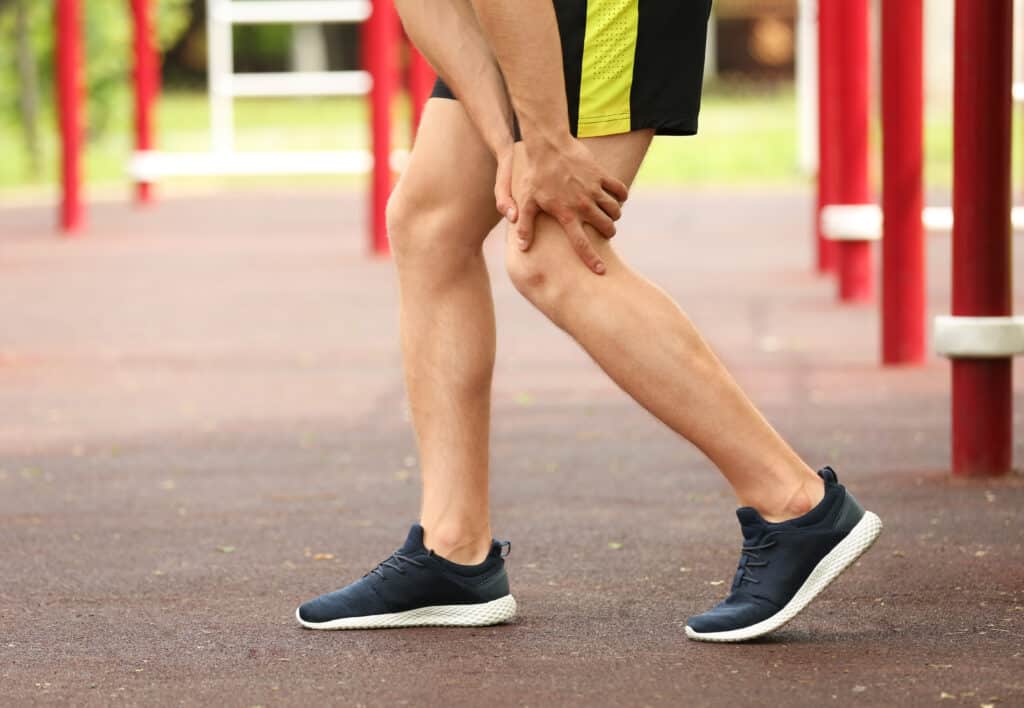
Alignment problems are often subtle at first. The body compensates quietly until it can no longer.
You might notice:
- Recurring pain in the same joint.
- Visible asymmetry or uneven movement.
- Pain that increases with activity.
- A sense that something feels “off” during motion.
These signs do not automatically mean something serious is wrong. They do suggest your movement patterns may benefit from professional assessment and guidance.
What to Expect at Ivy Rehab
Your experience begins with a one-on-one evaluation led by a physical therapist. The focus is on how you move in context, not on isolated muscles or a single joint.
Your plan may include:
- A detailed movement and posture assessment.
- Personalized mobility and strengthening exercises. Progressive training to maintain alignment under load.
- Education to support safer daily and sport-specific movement.
The emphasis is long-term. The goal is sustainable mobility and injury prevention, improved confidence, and measurable progress toward what matters most to you. The result is a personalized treatment plan designed to reduce pain, improve control, and support long-term movement quality.
Stay Active for the Long Run
Proper joint alignment reduces unnecessary stress on your body and lowers injury risk. Small mechanical imbalances, when left unaddressed, can accumulate over time.
Through individualized assessment, mobility restoration, strength development, and neuromuscular retraining, physical therapy focuses on improving joint alignment. This helps restore control, efficiency, and confidence in movement.
If recurring discomfort or imbalance is holding you back, it may be time to look at how your body moves as a whole. Better alignment is not about perfection. It is about progress, resilience, and staying active in the life you want to live.
Ready to move better? Find an Ivy Rehab location and see how joint alignment physical therapy can support stronger movement, better mobility, and long-term injury prevention.
References
- Willy, R. W., et al. (2019). Clinical implications of patellofemoral joint biomechanics. Journal of Orthopaedic & Sports Physical Therapy, 49. https://www.jospt.org/doi/10.2519/jospt.2019.0302
- Lauersen, J. B., Bertelsen, D. M., & Andersen, L. B. (2014). The effectiveness of exercise interventions to prevent sports injuries: a systematic review and meta-analysis of randomised controlled trials. British Journal of Sports Medicine, 48(11), 871–877. https://pubmed.ncbi.nlm.nih.gov/24100287/
- Koźlenia, D., & Kochan-Jacheć, K. (2024). The impact of interaction between body posture and movement pattern quality on injuries in amateur athletes. Journal of Clinical Medicine, 13(5), 1456. https://pmc.ncbi.nlm.nih.gov/articles/PMC10932373/

Before you go
Find the right therapy today.
Discover how Ivy Rehab can help you get back to doing what you love.