

Balance and Fall Prevention
A fall can happen instantly, but fear of falling can last for a long time. Balance and fall prevention therapy helps older adults build strength, stability, and confidence for daily movement.
The physical therapists at Ivy Rehab look at what’s affecting your balance, then build a plan for safer walking, transfers, stairs, and everyday activities.
What Is Balance and Fall Prevention Therapy?
Balance and fall prevention therapy is physical therapy that helps improve stability, coordination, strength, and confidence during daily activities. It can address risk factors such as muscle weakness, reduced coordination, vestibular dysfunction, vision changes, medication side effects, and decreased body awareness, also called proprioception.
According to the Centers for Disease Control and Prevention, falls are the leading cause of injury for adults ages 65 and older. Physical therapy targets the strength, movement, and safety strategies that support better balance and lower fall risk.

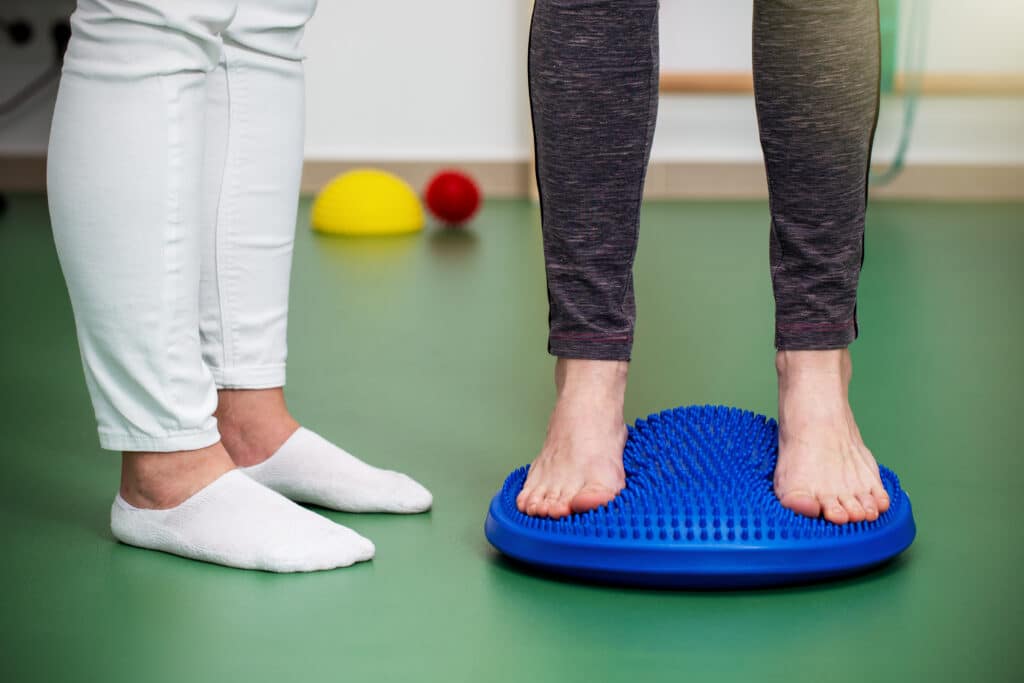
Balance and Fall Prevention at Ivy Rehab
Balance changes can affect people in different ways. One person may feel unsteady on stairs. Another may have dizziness, slower reaction time, less muscle strength, or fear after a previous fall.
Your Ivy Rehab physical therapist starts by learning about your health history, daily routines, home setup, and concerns. They check strength, walking, coordination, range of motion, balance, and how your body responds to real-life movement tasks.
From there, your care plan focuses on the areas that matter most for daily safety. That may include balance training, strength work, gait training, vestibular support, home safety guidance, and fall prevention strategies.
Who Can Benefit From Balance and Fall Prevention Therapy?
Balance and fall prevention therapy may be a good fit if you:
- Have fallen or nearly fallen in the past year.
- Feel unsteady when walking, turning, climbing stairs, or changing positions.
- Limit daily activities because you’re worried about falling.
- Have dizziness, vertigo, vestibular symptoms, neuropathy, Parkinson’s disease, or another condition that affects balance.
- Are recovering from a fall-related injury, surgery, illness, or period of reduced activity.
- Want to improve muscle strength, mobility, and confidence as you age.
- Need practical fall prevention strategies for home, work, or community activities.
You don’t need to wait until a fall happens. Proactive fall prevention can help older adults stay active, independent, and safer during everyday movement.
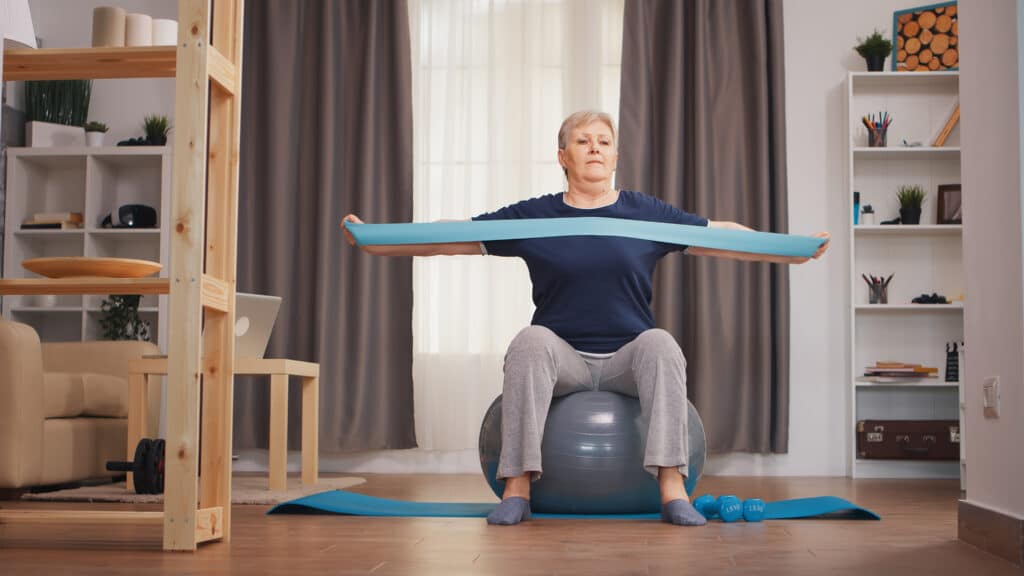
Our Balance and Fall Prevention Services
Care depends on your risk factors, symptoms, daily activities, and goals. Your physical therapist will choose the services that best fit your treatment plan.
Balance Assessment and Risk Screening
A balance assessment identifies factors that could make falls more likely. Your therapist may check strength, walking, posture, reaction time, single-leg balance, turning, transfers, and how your body responds to different surfaces or visual cues.
This gives your therapist a clear starting point and helps track progress over time.
Balance Training and Strength Exercises
Balance training and strength exercises can improve muscle control, coordination, and confidence. Your program may include sit-to-stand practice, heel-to-toe walking, single-leg balance, stepping drills, or body-weight exercises that match your comfort level.
Your therapist may adjust the challenge with support, different surfaces, head turns, or eyes-open and eyes-closed activities when appropriate.
Gait Training and Mobility Support
Gait training focuses on how you walk, turn, shift weight, and move through daily environments. It can help with stride length, posture, walking speed, balance reactions, and safer use of canes, walkers, handrails, or other supports.
Small changes in walking mechanics can make daily movement feel steadier and less tiring.
Vestibular Therapy Support
Vestibular rehab supports people whose dizziness, vertigo, or inner-ear-related balance problems increase the risk of falling. Treatment may include exercises for gaze stability, motion tolerance, posture, and balance reactions.
If dizziness is new, severe, or worsening, talk with a healthcare provider to rule out a medical issue that needs urgent care.
Home Safety and Fall Prevention Strategies
Fall prevention strategies can include practical changes at home and in daily routines. Your therapist may talk through trip hazards, loose rugs, lighting, grab bars, handrails, non-slip mats, footwear, and safer ways to move through the spaces you use most.
Your therapist may also recommend reviewing vision, hearing, or medication concerns with your healthcare provider when those factors affect balance.
Confidence-Building for Daily Activities
Fear of falling can make people move less, which can reduce strength, lower confidence, and raise the risk of falling. Therapy helps you practice movement in a safe, supportive setting so daily activities feel more manageable.
Your plan may include getting in and out of a chair, stepping over objects, turning, reaching, carrying items, walking outdoors, or practicing stairs with the right level of support.
How We Approach Balance and Fall Prevention
Step 1: A Practical Balance Evaluation
Your first visit starts with a conversation about falls, near falls, dizziness, daily routines, home setup, and what feels unsafe. Your therapist checks strength, coordination, vestibular function, walking, transfers, and other movements that affect balance.
Step 2: A Plan Built Around Your Risk Factors
Your treatment plan is based on your symptoms, health history, activity level, and goals. It may include balance exercises, strength training, gait training, vestibular support, home exercises, and safety strategies for daily life.
Step 3: Progress You Can Use at Home
Your therapist tracks progress and updates your program as your balance, strength, and confidence improve. You’ll also get guidance you can keep using beyond the clinic to support long-term safety and independence.
FAQs
How Do I Start Adding Balance and Strength Exercises to My Routine?
A physical therapy evaluation is a safe place to start, especially if you’ve fallen, feel unsteady, or have dizziness. Your therapist can check your current balance and build an exercise program that fits your comfort level.
If you’re starting on your own, begin with simple, supported movements near a counter or sturdy table. Stop if you feel unsafe, dizzy, or unsure how to continue.
What Are Some Effective Strategies for Preventing Falls in Older Adults?
Effective fall prevention strategies often include strength training, balance exercises, safe walking practice, vision and medication review, supportive footwear, and home safety changes. Removing loose rugs, adding night lights, using non-slip mats, and installing grab bars or handrails can also help reduce trip hazards.
A physical therapist can turn these strategies into a plan that fits your daily routine.
What Is the Number One Exercise to Improve Balance in Older Adults?
There’s no single best exercise for everyone. The most helpful program usually combines balance training, strength training, walking practice, and coordination work based on the person’s needs.
A physical therapist can choose exercises that challenge your balance while still matching your current strength and safety needs.
When Should I See a Physical Therapist for Balance Concerns?
Consider physical therapy if you have fallen, had a near fall, feel unsteady, or avoid activities because you’re worried about falling. You may also benefit if dizziness, weakness, pain, or changes in walking are affecting your confidence.
Early support can help identify risk factors before they lead to a serious injury.

Take the first step toward relief.
You don’t have to live with back pain. Ivy Rehab’s expert team is ready to help you move better, feel stronger, and enjoy life without limitations. Schedule an appointment today for the best treatment for back pain.